In Fannin County, the Road Isn't the Risk. The Paperwork Is.
August 13, 2026
August 13, 2026
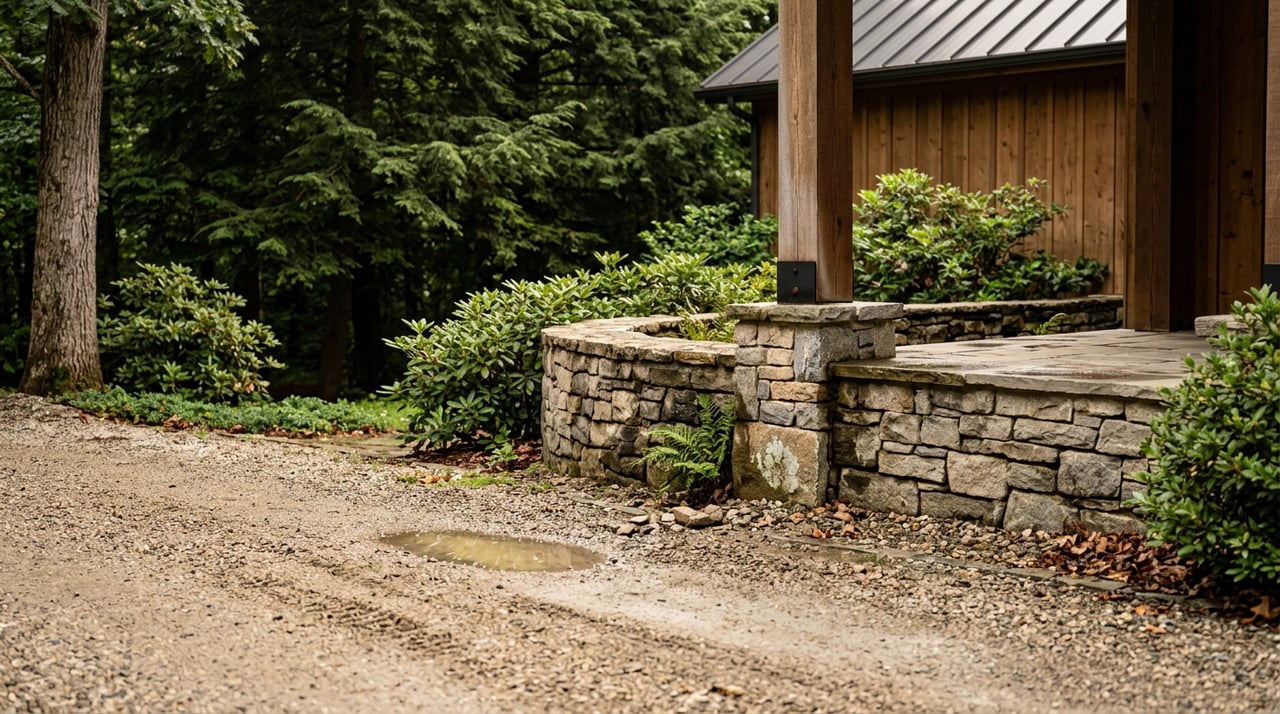
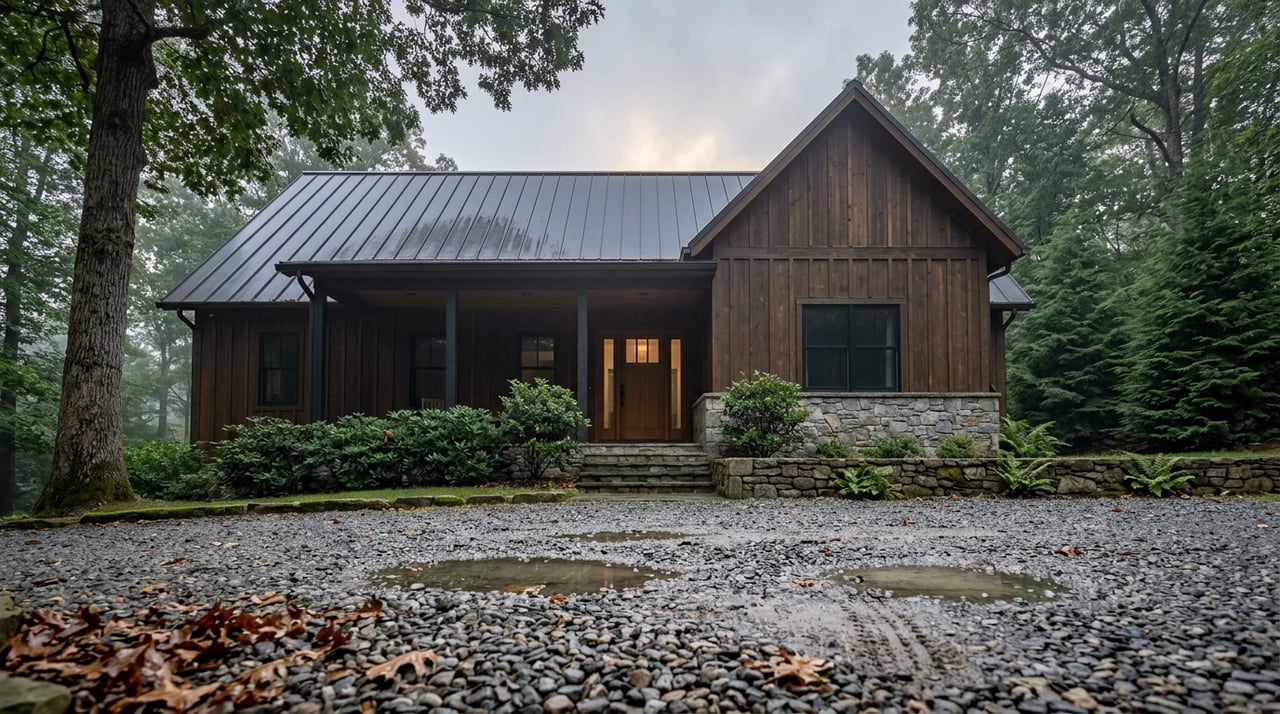
Picture two cabins a quarter mile apart, both reached by the same kind of graded gravel spur running off Aska Road. Same grade, same washboard texture after a hard rain, same view of hemlock and rhododendron closing in on either side. One buyer closes right on schedule. The other watches the closing date slide, twice, because a lender asked for a document that had never existed and three neighbors had to be tracked down and persuaded to sign it.
The road didn't change between those two deals. The loan program did.
That's the part of buying a mountain property in Fannin County that catches people off guard, and it has almost nothing to do with how the driveway looks on the day you tour it. It has to do with a piece of paper that either exists, recorded, at the courthouse, or doesn't. Whether that missing paper becomes a two-week delay or a dead deal depends entirely on which mortgage program the buyer is using.
Aska Road itself is county-maintained. Plenty of the driveways and spurs branching off it are not. Georgia law, specifically O.C.G.A. § 32-1-8, puts the upkeep of a private road squarely on the owners who use it. The county isn't coming to grade it, patch the washouts after a spring storm, or fix the culvert that clogs every autumn. That responsibility sits with whoever owns property along that stretch of gravel, whether they've ever discussed it with their neighbors or not.
Fannin County also has no countywide zoning. Older parcels, especially ones carved out decades ago along ridgelines and coves, often share a driveway or a short private road with no more than a handshake between the original owners.
Here's where the mechanism actually lives. A Private Road Maintenance Agreement, often shortened to PRMA, is a recorded document spelling out who maintains a shared private road and how the costs get split. Whether your loan requires one depends on the program, not on the road's condition.
| Loan Type | Recorded PRMA Required? |
|---|---|
| Fannie Mae conventional | Generally yes, a signed, enforceable agreement, according to Gold Coast Mortgage |
| Freddie Mac conventional | Often not required if a statutory maintenance obligation applies |
| FHA | Not required |
| USDA | Not required |
| VA | Required, though it can sometimes be waived with approval |
That spread is the whole story. The same gravel spur, the same three houses sharing it, can sail through underwriting on an FHA loan and stall completely on a conventional loan headed to Fannie Mae. A USDA-focused lending resource lays out these program differences plainly, and it's worth reading before you fall in love with a listing if you already know which loan type you're using.
This is why two buyers looking at identical properties can have wildly different due diligence timelines. It isn't about creditworthiness or the appraisal. It's about which box the loan officer checks on page one.
A recorded PRMA isn't just a formality to satisfy an underwriter. Done right, it answers questions that come up eventually on every shared private road: who pays when the culvert fails, what happens if one owner refuses to contribute, whether decisions require unanimous agreement or a simple majority, and whether the obligation is spelled out clearly enough that a title company and a lender will accept it as binding.
None of that gets figured out during a short due diligence period if it hasn't been figured out already. The agreements that work are the ones drafted and recorded years before anyone tries to sell, sitting quietly in the deed records waiting to be pulled.
Buyers rarely ask about road maintenance on the first showing. Why would they. The driveway looks fine, the cabin looks fine, and nobody drives up a private spur thinking about mortgage underwriting. The gap surfaces during title search or loan processing, right when a buyer has already committed emotionally and financially to the property.
At that point, fixing it means finding every owner who shares the road, which can mean tracking down an heir who inherited a cabin two states away, and getting all of them to sign a document that makes their maintenance obligations legally enforceable. Some will sign immediately. Some will ask why they should agree to shoulder costs for a stretch of road they barely use. That negotiation, not the appraisal or the inspection, is what actually extends a closing timeline on a lot of Fannin County mountain sales.
The state sets a framework, but it doesn't chase down the paperwork for you.
If you're actively looking at Fannin County properties on anything other than a paved, publicly maintained road, a few questions belong in your first conversation with your agent, not your last conversation with your lender.
Pulling this together before you're under contract turns a potential delay into a five-minute confirmation.
If your property sits on a shared private road and no recorded agreement exists, getting one drafted and filed before you list is one of the highest-value pieces of pre-sale preparation available to you, and it costs far less than losing a buyer well into a contract. It also removes a variable that otherwise limits your buyer pool to whichever loan programs don't ask the question.
Does a well-graded gravel driveway automatically mean it's private? Not necessarily, but road condition tells you nothing about maintenance obligation. The only way to know is to check whether the specific stretch is listed as county-maintained or falls under O.C.G.A. § 32-1-8, which puts upkeep on the owners once it's private.
What if the road only serves my house? A single-owner private drive has no one to share costs with. The PRMA question only applies where multiple properties use the same private stretch.
Can I still close without a recorded agreement in place? Sometimes, depending on your loan program. FHA and USDA loans generally don't require one. Conventional loans headed to Fannie Mae typically do. This is worth confirming with your lender at the start of your contract, not after title work is already underway.
Mountain and lake real estate in Fannin County rewards buyers and sellers who ask about the paperwork as early as they ask about the porch. Guide to Blue Ridge flags these financing details during the showing, not after you're already under contract wondering why your closing date moved. Let me be your guide. Start your Blue Ridge search today.
This article is general information, not legal, tax or financial advice. Consult a qualified professional about your situation.
Stay up to date on the latest real estate trends.



Knowing what buyers are looking for helps Kim with getting the seller's property ready for market. Whether you are looking to buy a second home or sell a rental investment property, Kim specializes in leveraging her local Blue Ridge expertise to get you top value.