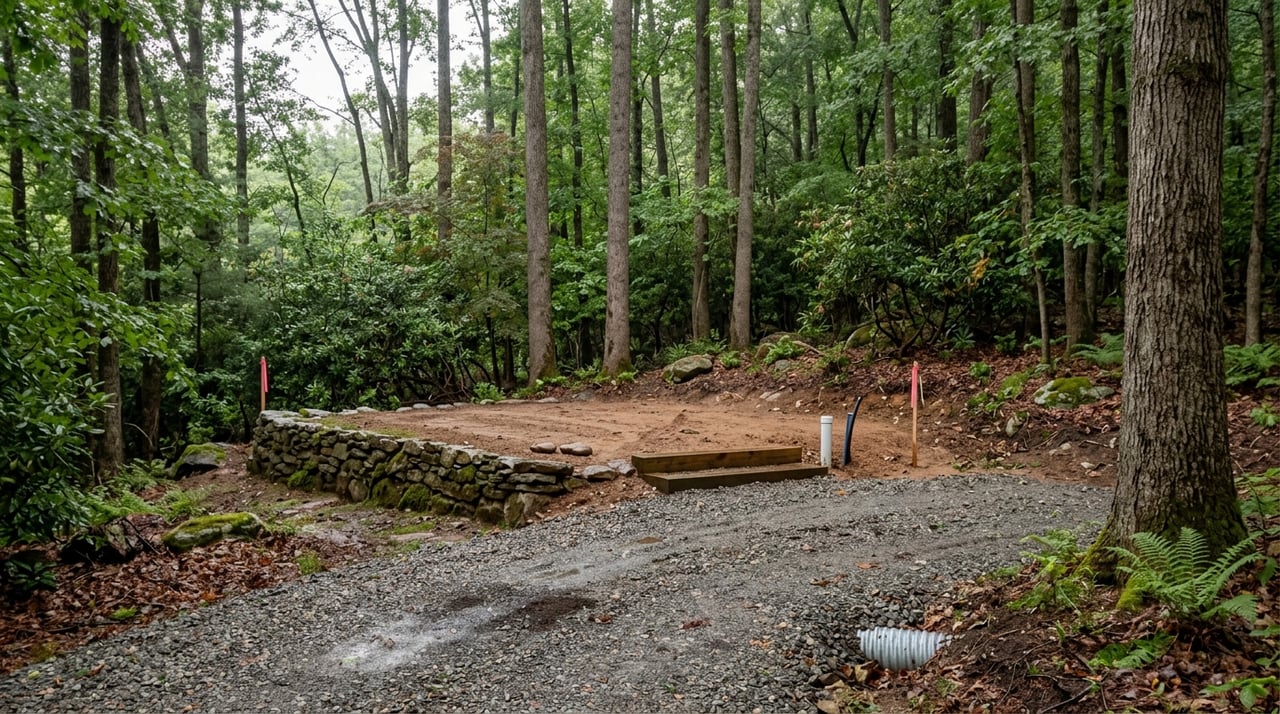
Buying Land in Fannin County: What to Review First
June 11, 2026
June 11, 2026
Thinking about buying land in Fannin County for a future build? It can be an exciting move, especially if you are dreaming about a custom cabin, a mountain retreat, or a full-time home near Blue Ridge. But raw land here is not just about views and acreage. Before you fall in love with a parcel, you need to understand access, utilities, septic, drainage, and which local office controls the approval path. This guide will help you evaluate land more clearly so you can move forward with confidence. Let’s dive in.
One of the first questions to answer is simple: is the property inside Blue Ridge city limits or in unincorporated Fannin County? That matters because the review process changes depending on where the parcel sits.
Fannin County separates land development, building, and environmental health review across different offices. The county handles items like land disturbance permits, plats, subdivisions, sign permits, and county road right-of-way information. The Building Department handles building permit checklists and inspection requirements.
Inside Blue Ridge city limits, zoning is handled by the city. Blue Ridge also recommends meeting early with its development team, and the city notes that utility approvals are separate from land-development approvals. The city code also requires a building permit before improvements or grading begin.
In the Blue Ridge and Fannin County area, access can affect your future building plans just as much as the homesite itself. A beautiful tract may look ideal on paper, but road type and maintenance responsibility can change the cost and ease of owning it.
Fannin County Public Works maintains 442 miles of approved county roads. That includes chip-and-seal, asphalt, and gravel roads. The county also states that it cannot maintain or add gravel to private roads, which means private-road access may come with different long-term responsibilities.
If your future driveway will connect to a county road, the county building checklist says you will need to apply for a driveway permit. That makes driveway planning part of your due diligence, not something to leave until later.
For many buyers, especially second-home buyers and future cabin owners, easy and reliable access can shape day-to-day enjoyment just as much as the lot itself.
It is easy to start picturing floor plans and porches before you confirm the basics. In Fannin County, the real test of buildability often starts with water, sewer or septic, and the lot’s physical conditions.
The City of Blue Ridge Utility Department serves the city and parts of Fannin County. The city also makes clear that utility approvals and land-development approvals are separate. In other words, a parcel may be moving through one approval path and still not be ready for utility service.
If a property will connect to public water, county septic paperwork says verification from the city is required as a letter or a copy of the tapping fee. That means utility confirmation should happen early, especially if public water is part of your plan.
For many land buyers in Fannin County, septic feasibility is one of the biggest issues to verify before writing an offer. If the parcel will use an on-site sewage system, the county Environmental Health process requires planning and timing.
Fannin County Environmental Health requires an OSSMS application with a recorded plat, house plan, soil evaluation report, and the house site staked out. The application also warns that grading, cutting, filling, or other construction before septic approval may make the lot unsuitable and void the permit.
That warning is important. If you are buying raw land, do not assume you can clear first and solve septic later. The county paperwork makes it clear that disturbing the site too early can create serious problems.
The septic permit also expires 12 months from the issue date. In addition, the county notes that septic contractors must be certified by the Georgia Department of Public Health.
The county’s lot-size chart says lots with individual water and septic systems should be at least 1.75 acres and 150 feet wide. It also says public water can reduce lot size by 50%.
There are also site-specific limits to watch. Slopes over 35% or percolation rates over 120 minutes per inch require special studies. That means a parcel that looks large enough may still need extra review because of terrain or soil conditions.
Mountain land can be beautiful, but it can also be complex. Slope, drainage, streams, springs, and floodplain conditions all affect how and where you can build.
The Fannin County Environmental Health checklist asks whether the property is in a floodplain and whether streams, creeks, rivers, lakes, or springs are on the property. If the parcel is near a river or stream, the checklist requires a surveyed plat with the floodplain marked.
Fannin County Land Development also points buyers and applicants to FEMA flood map designations, FEMA flood hazard mapping, and Georgia flood maps. Georgia EPD identifies the official flood maps as the NFIP FIRMs available through FEMA’s Map Service Center and the state floodplain portal.
The county also posts 25-foot and 50-foot vegetative buffer applications. For buyers, that is a useful sign that streamside or shoreline-adjacent land may need extra review before development moves forward.
When you buy land for a future build, it is natural to think first about privacy, mountain views, outdoor living, or possible rental appeal. Those are all important goals. But in Fannin County, the smarter approach is to evaluate the property first as an access, utilities, septic, and drainage decision.
That practical order matches how local offices structure approvals. It can also help you avoid buying a parcel that looks perfect from the road but becomes costly or difficult once the real site work begins.
For buyers planning a custom build, this step matters even more if you are coming from outside the area. A local process can feel simple once you know the sequence, but that sequence matters.
Before you write an offer on land in Blue Ridge or greater Fannin County, try to confirm the following:
This kind of due diligence can protect your budget, your timeline, and your long-term plans for the property.
Buying land often requires a different approach than buying an existing home. The county paperwork itself points toward a local team that may include a surveyor, a soil evaluator or Level III inspector, and a Georgia-certified septic contractor.
If digging, trenching, clearing, or other mechanized work will happen, Georgia 811 says you must contact 811 before digging. Georgia law requires notice at least 48 hours, but no more than 10 working days, before excavation so utilities can be marked.
Putting the right people in place early can help you move from raw acreage to a realistic building plan without unnecessary surprises.
If you are weighing a land purchase in Blue Ridge or Fannin County, it helps to have a local guide who understands how mountain property works in the real world, not just on a listing sheet. Kim Knutzen can help you evaluate land opportunities, understand the local process, and find a property that fits your future build goals.
Stay up to date on the latest real estate trends.

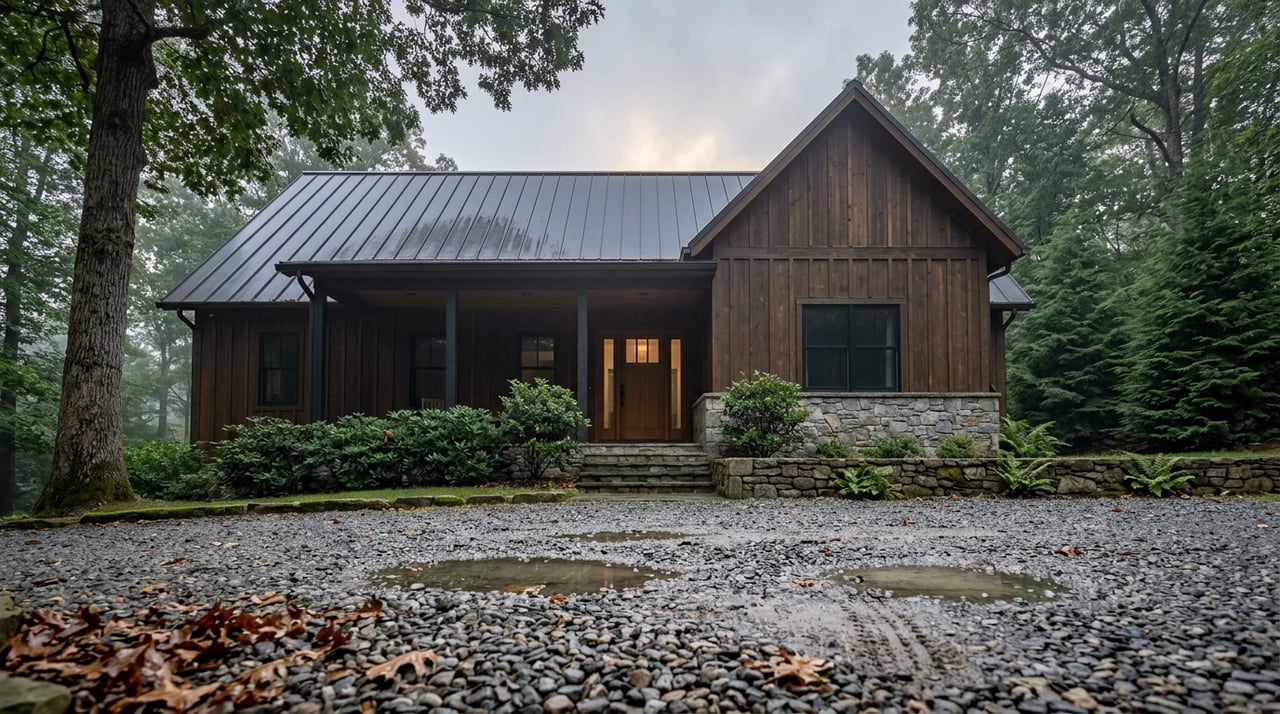
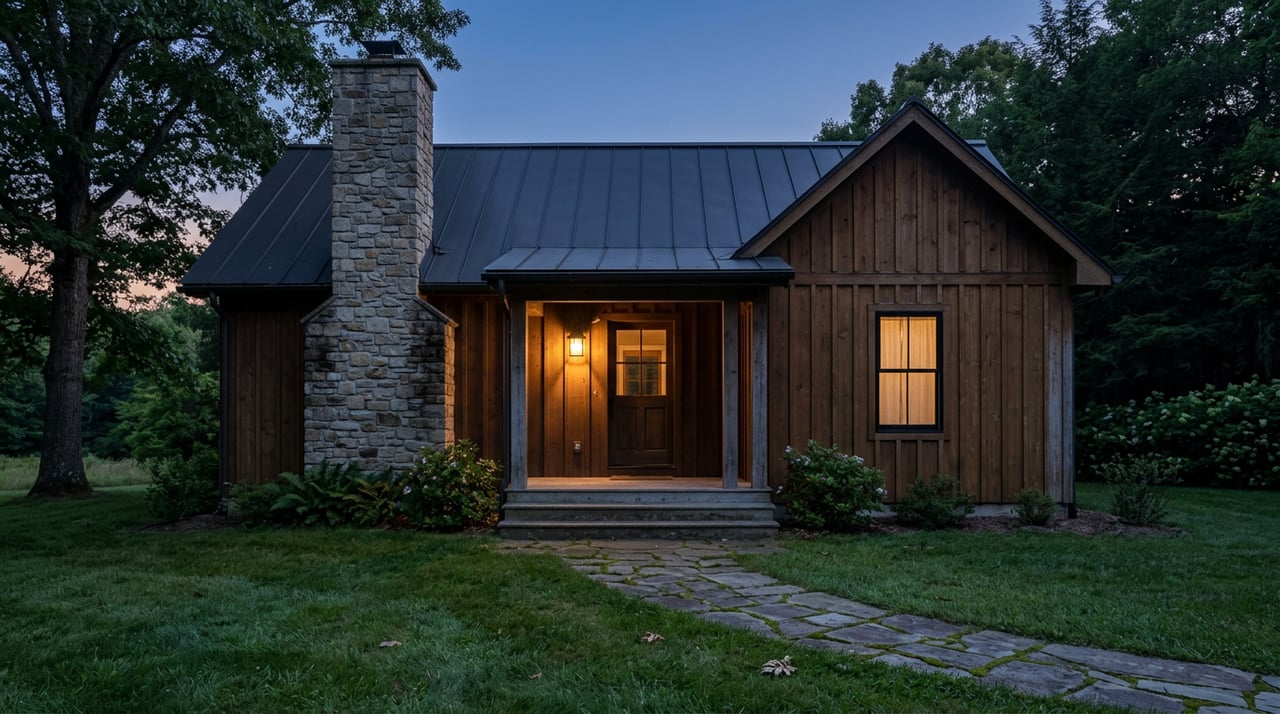
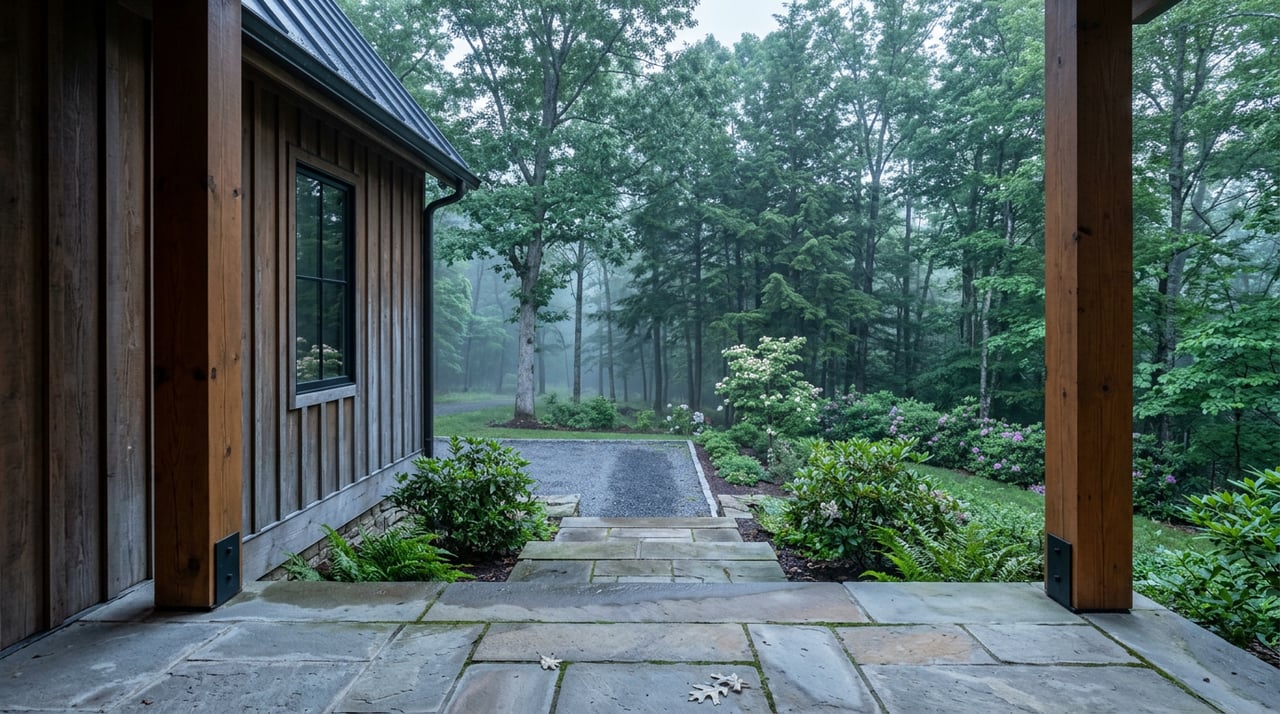

Knowing what buyers are looking for helps Kim with getting the seller's property ready for market. Whether you are looking to buy a second home or sell a rental investment property, Kim specializes in leveraging her local Blue Ridge expertise to get you top value.