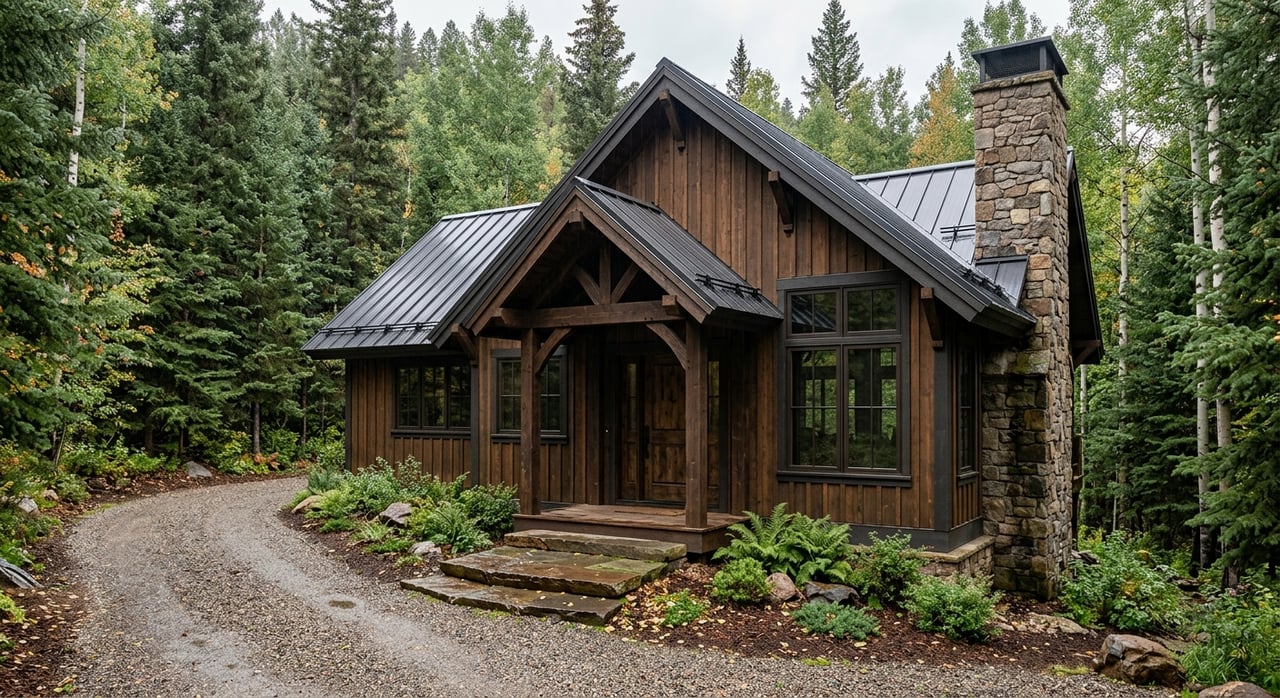
Fannin County Cabin Styles for Blue Ridge Buyers
June 18, 2026
June 18, 2026
Wondering why one Blue Ridge cabin feels exactly right while another misses the mark, even at a similar price point? In Fannin County, style is more than curb appeal. It shapes how a home lives, how much upkeep it may need, and how well it may fit your goals for a weekend escape, full-time move, or vacation rental. If you are comparing cabins in Blue Ridge and the surrounding mountain market, understanding the main styles can help you narrow your search with more confidence. Let’s dive in.
Blue Ridge is closely tied to the cabin lifestyle. Local tourism materials spotlight cabins, lakefront cabins, scenic drives, wineries, downtown Blue Ridge, and outdoor recreation, while the nearby Aska Adventure Area and Blue Ridge Ranger District add hiking, biking, boating, and scenic views to the mix. In a market shaped by mountain setting and outdoor living, buyers often shop by architectural style almost as much as by budget or acreage.
That makes sense when you think about how differently each cabin style feels day to day. Some homes lean rustic and classic. Others focus on views, natural light, and cleaner finishes. The right fit depends on how you want to use the property and how hands-on you want to be after closing.
Traditional log cabins are the classic mountain image many buyers picture first. The design often includes solid wood construction, chinking, stone fireplaces, vaulted ceilings, lofts, and screened or wraparound decks. In Blue Ridge listings, this style is usually presented as the authentic cabin experience.
If you want a strong mountain identity, traditional log is often the most recognizable choice. These homes usually feel warm, tactile, and wood-forward, with a porch-centered lifestyle that fits the Blue Ridge setting especially well.
The tradeoff is maintenance. The University of Tennessee Extension notes that log homes need ongoing attention to keep the structure dry, with regular gutter cleaning, vegetation trimming, leak checks, termite inspections, and finish maintenance. Of the four major styles, traditional log homes usually require the most owner involvement.
For buyers thinking about vacation rental use, traditional log cabins often align well with guest expectations. Many local listings market them around secluded mountain-getaway appeal and classic cabin atmosphere.
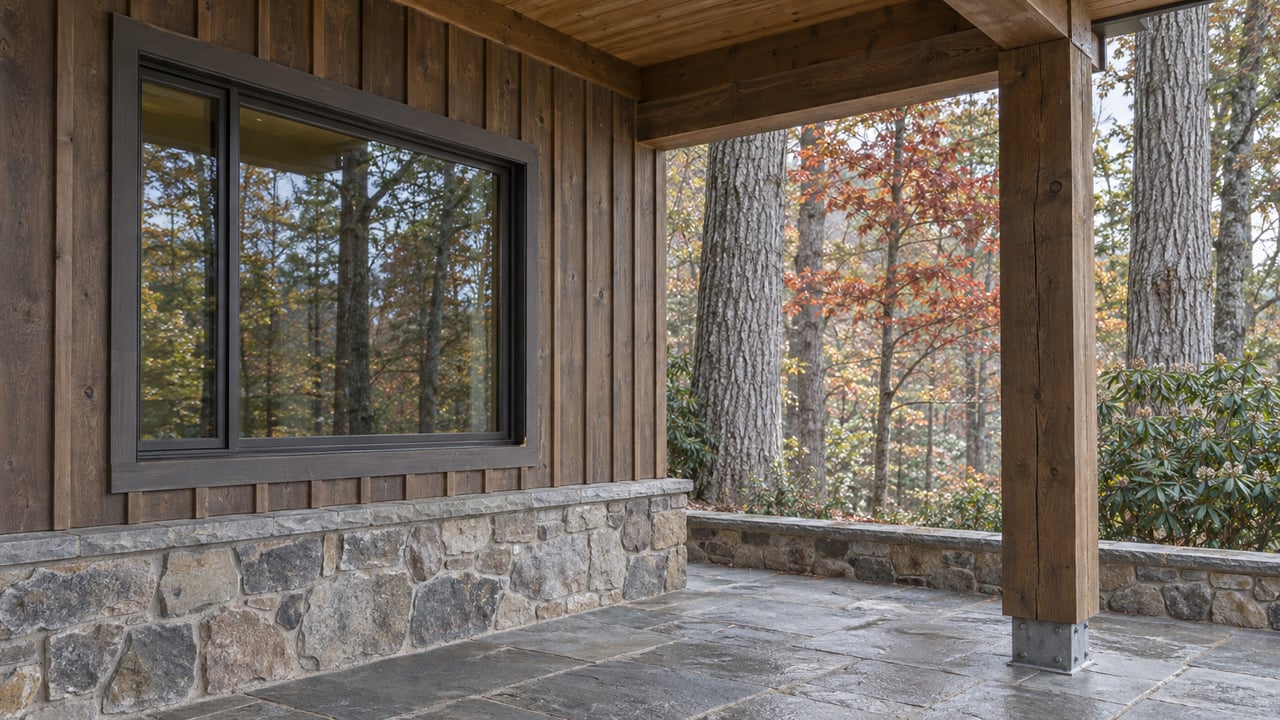
Timber frame homes use large wood posts and beams as the structural system, with the timber structure often exposed inside. According to NAHB, these homes typically have no interior load-bearing walls, which allows for more open floor plans and flexible living spaces. In Blue Ridge, local listings often highlight exposed beams, large windows, wraparound decks, and guest-friendly layouts.
This style tends to feel open and airy. If you love big common areas, strong sightlines, and spaces that pull your eye toward the view, timber frame can be a very compelling option.
From a maintenance standpoint, timber frame may avoid some of the exterior log-shell upkeep tied to full log construction. That said, the real maintenance picture still depends on the materials used in the wall system, windows, decks, and roof.
For second-home buyers, timber frame often offers a mountain aesthetic without going fully rustic. It can also be a strong fit for view lots where the architecture is meant to frame the landscape.
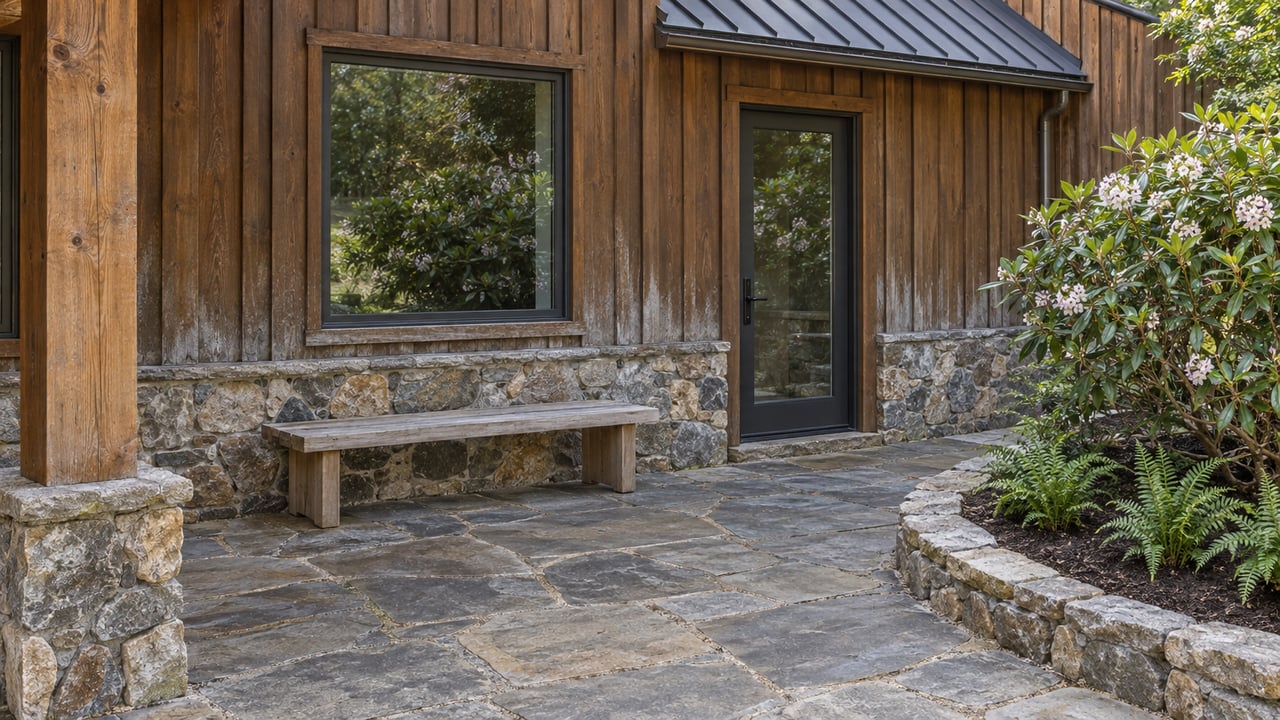
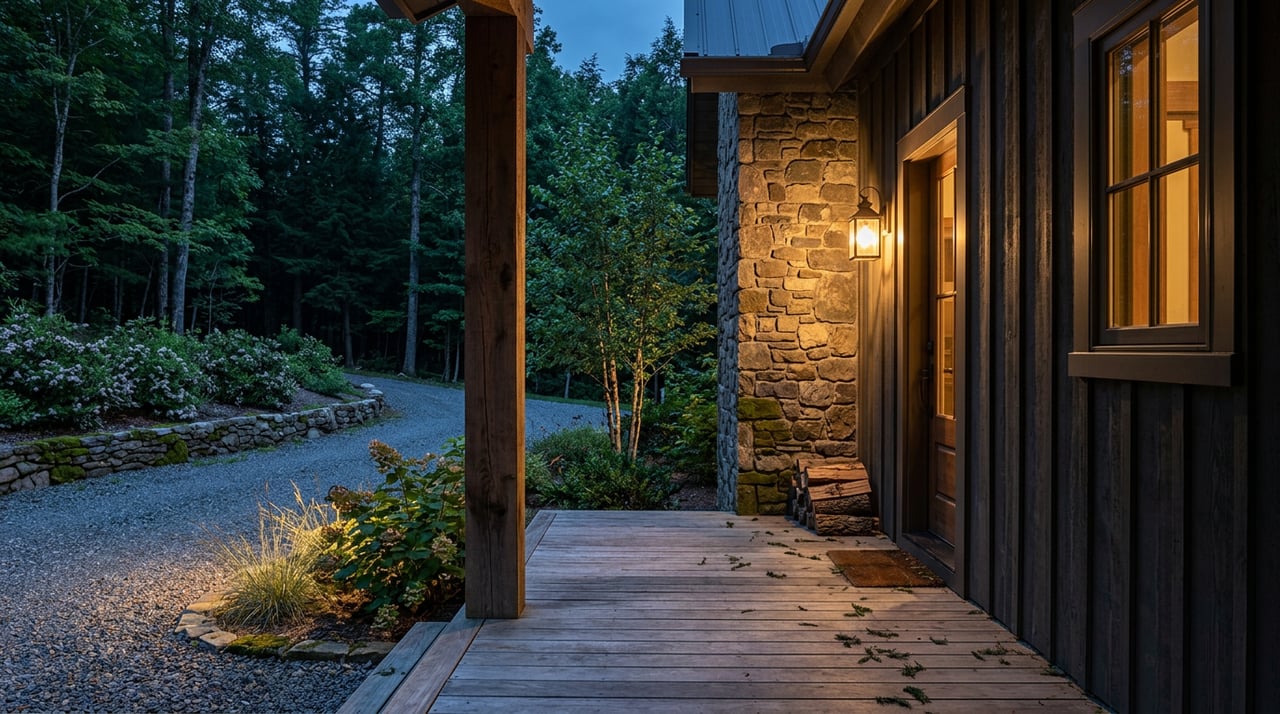
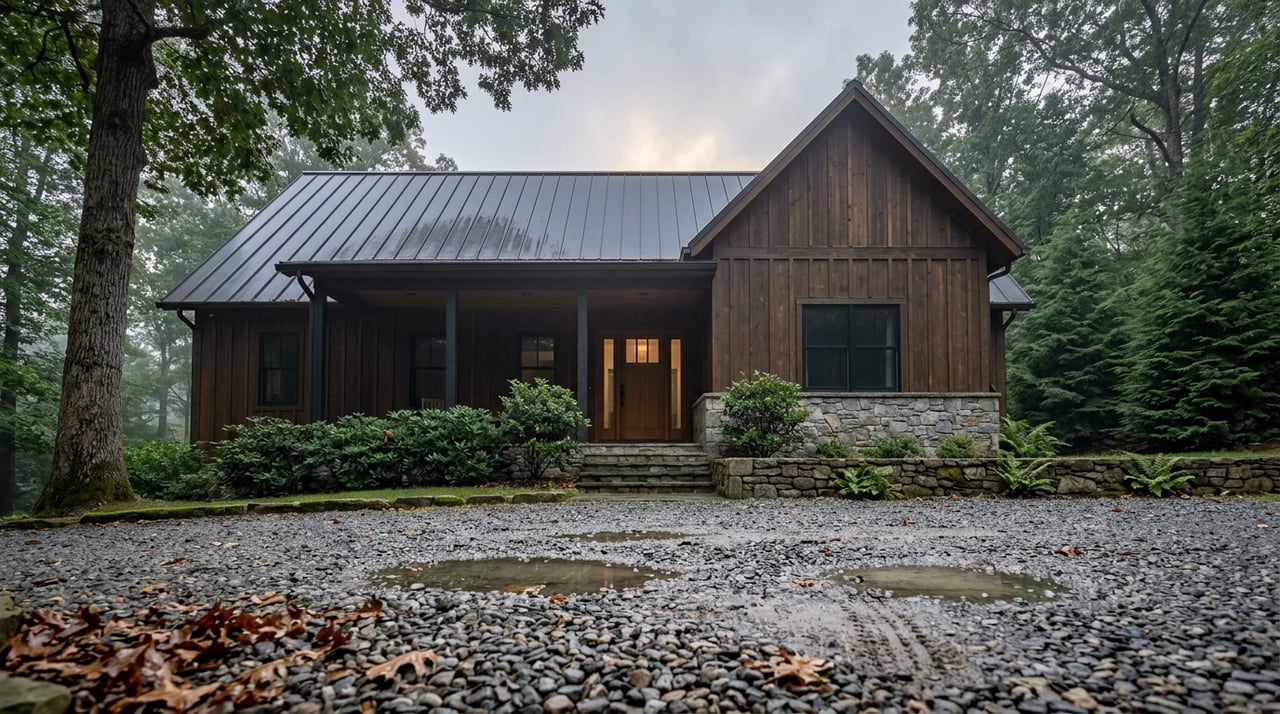
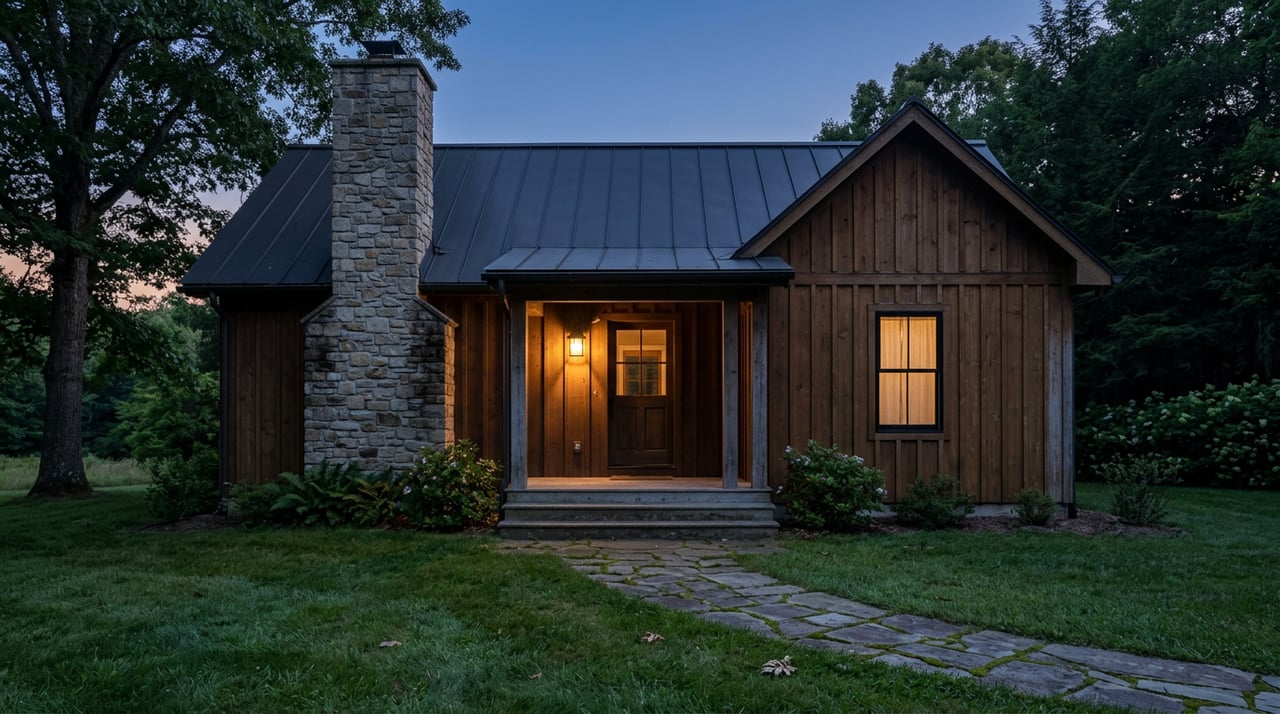
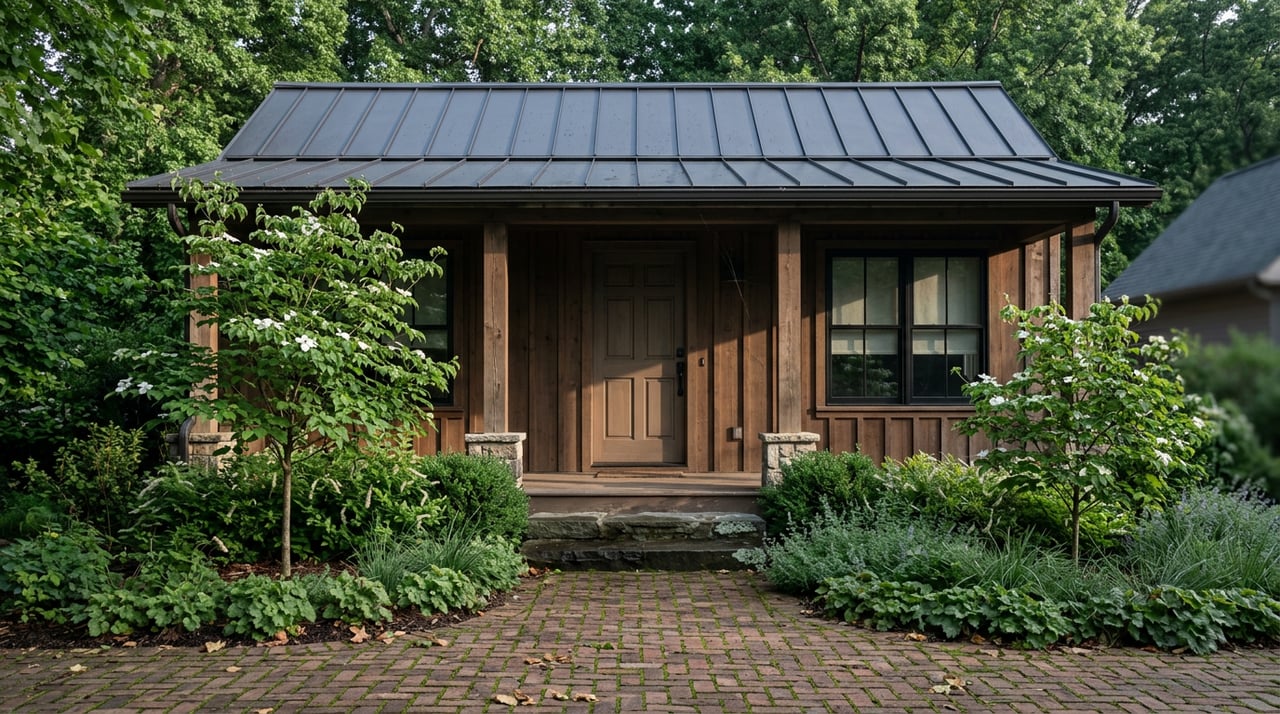
Modern rustic is one of the most common and versatile styles in the Blue Ridge market. Local listings often describe these homes with rough-sawn wood, shiplap, stacked-stone fireplaces, vaulted ceilings, open layouts, barn doors, granite or quartz surfaces, and metal roofs. The overall look blends cabin warmth with more updated finishes.
If you want a mountain home that feels polished, bright, and move-in ready, modern rustic often lands in the sweet spot. It gives you the cabin atmosphere many buyers want without leaning as heavily into a full log aesthetic.
This style is also frequently marketed for full-time living, second-home use, or investment ownership. That flexibility is part of its appeal, especially if you are trying to balance personal enjoyment with practical resale or rental presentation.
Maintenance can be easier than a full log shell when the home uses more conventional exterior materials. Still, the style label alone does not tell the whole story. Roof design, porch construction, window package, and exterior finishes matter just as much.
Contemporary mountain homes bring the cleanest lines of the group. Design descriptions for this style point to oversized windows, open layouts, strong indoor/outdoor flow, and natural materials used in a more modern way. In Blue Ridge examples, you may also see panoramic doors, soaring ceilings, metal roofs, wood-and-stone siding, and smart-home features.
This is often the best fit if you want the view to be the star. Contemporary mountain homes usually feel bright, design-forward, and visually streamlined, which can be especially appealing on premium ridge or lake-oriented sites.
Some buyers assume modern means maintenance-free, but that is not always the case. Durable materials and simpler rooflines can help, yet large glass areas, decks, and higher-end exterior finishes still need regular care.
For rental-minded buyers, this style can stand out online. Contemporary mountain homes often photograph beautifully and can appeal to guests looking for an upscale Blue Ridge stay with a more current aesthetic.
The best cabin style for you depends on what you want the property to do. A weekend retreat, a full-time home, and a short-term rental can all point you in different directions.
Here is a simple way to think about it:
In real life, many Blue Ridge homes borrow from more than one category. A property may have a timber-frame feel, modern rustic finishes, and a contemporary window package. That is why style should guide your search, but not replace a close look at construction details.
No matter which style you prefer, water management is one of the biggest issues to watch in a mountain property. The University of Tennessee Extension notes that long-term durability depends on keeping water away from exterior walls, allowing materials to dry, maintaining gutters, trimming vegetation, and finding leaks early.
That principle matters in Fannin County because mountain lots and home sites can add complexity. County land-development information highlights issues such as driveway ordinances, septic installation, FEMA flood maps, E-911 addressing, and environmental compliance. Those details can affect both your ownership experience and your plans for future improvements.
When you tour a property, it helps to look beyond style and ask practical questions like:
Those questions often tell you as much as the listing photos do.
If you are buying with vacation rental goals in mind, location matters as much as design. In this market, the rules differ depending on whether a property is inside the City of Blue Ridge or in unincorporated Fannin County.
In the City of Blue Ridge, short-term vacation rentals require a certificate and an occupation-tax certificate. The city also states that rental reports are due by the 20th of each month, even if there were no rentals, and that short-term rentals may be offered to the public only on CBD-zoned properties. Operating without the required certificate can lead to fines and revocation.
In unincorporated Fannin County, owners must obtain an annual lodging certificate, file monthly tax amounts by the 20th for the previous month’s rentals, and maintain a 24/7 local point of contact who can be on site within two hours. The county’s application packet lists a new-certificate fee of $225, and renting without the certificate can lead to a $1,000 fine. The county’s annual financial report says Fannin County levies a 6% lodging tax.
For many buyers, this is where local guidance becomes especially valuable. A beautiful cabin style may catch your eye first, but jurisdiction, zoning, and operating requirements can have a major impact on how the property actually works for your goals.
When you start touring cabins in Blue Ridge and Fannin County, try to keep your wish list simple. First, decide the feeling you want from the home. Then weigh the level of maintenance you are comfortable with and whether the property needs to support personal use, rental use, or both.
It can help to rank these four priorities before you look at homes:
That framework can keep you from falling in love with a look that does not support the way you actually want to use the property.
A classic log cabin may deliver the mountain mood you have always imagined. A modern rustic home may offer the easiest balance of comfort and turn-key appeal. A timber frame or contemporary mountain design may make the most of a premium view lot. The right answer is personal, but the best choice usually becomes clear when you compare style with upkeep, setting, and local rules together.
If you want a thoughtful read on which cabin style fits your Blue Ridge goals, local context makes all the difference. Kim Knutzen can help you compare properties across Fannin County with an experienced eye for style, setting, and how a home will really live over time.
Stay up to date on the latest real estate trends.
Knowing what buyers are looking for helps Kim with getting the seller's property ready for market. Whether you are looking to buy a second home or sell a rental investment property, Kim specializes in leveraging her local Blue Ridge expertise to get you top value.