Lake Blue Ridge Areas Comparison for Buyers
July 9, 2026
July 9, 2026
If you are dreaming about life on Lake Blue Ridge, one of the first questions is not just which home to buy, but which part of the lake fits the way you want to live. That choice matters because this lake changes from one shoreline to the next, from service-heavy access points to quieter forest-backed stretches. If you want to narrow your search with more confidence, this guide will help you compare the main areas and think through what daily lake life could look like for you. Let’s dive in.
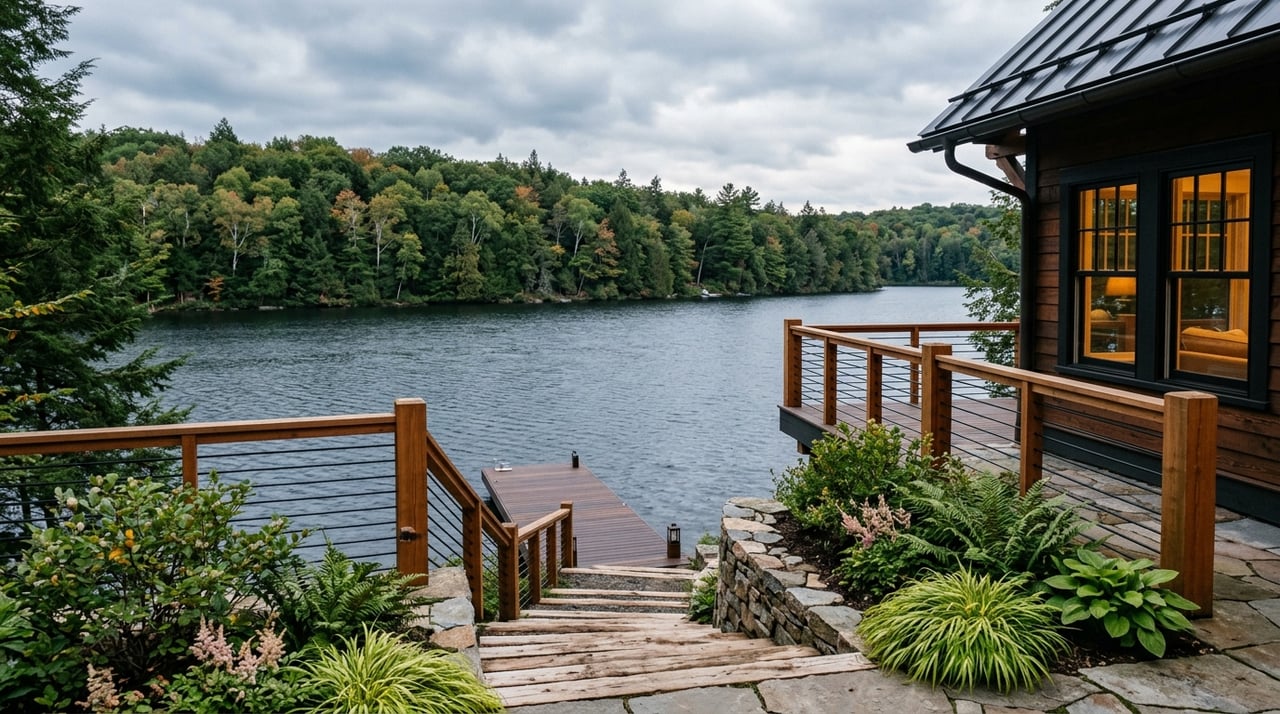
Lake Blue Ridge is a 3,290-acre TVA reservoir on the Toccoa River in North Georgia. The lake stretches about 11 miles southeast from the dam, and its setting feels especially wooded because much of the shoreline is tied to national forest land.
That geography shapes your experience as a buyer. One area may offer easier access to boating services and downtown Blue Ridge, while another may feel more tucked away and focused on quiet time outdoors.
It also helps to remember that Lake Blue Ridge is lightly developed compared with many other lake markets. Local sources describe about 65 miles of shoreline, with most of it remaining forested and only a smaller share developed, which is a big part of the lake’s appeal.
Before you compare properties, it helps to define what matters most to you. A great lake home search usually starts with your habits, not just your budget or bedroom count.
Ask yourself a few simple questions:
Once you know your priorities, the lake starts to sort itself into a much shorter and smarter list.
For many buyers, the dam and marina corridor is the first area to study. This part of the lake has the strongest concentration of services, including Lake Blue Ridge Marina and the dam recreation area on Old Highway 76.
The marina offers boat sales and storage, rentals for pontoons, kayaks, and paddleboards, a boat ramp, a marina store, and a bar and grill. Near the dam, you will also find picnic tables, benches, accessible lake views, and a canoe and kayak launch below the dam.
This corridor is also the clearest fit if you want the shortest connection between lake time and town time. Downtown Blue Ridge has a compact commercial core, so buyers who want to pair boating with restaurants, shopping, or quick errands often start here.
This section may work well for you if you want:
Because this is one of the main developed access clusters, it can feel more active than quieter sections of the lake. If you like energy, convenience, and amenities, that may be a plus.
If privacy and a more removed feeling top your list, you may want to compare this area against the west side or other forest-backed stretches.
If you picture Lake Blue Ridge as calm, wooded, and low-key, the west side and Aska Road area deserve close attention. The Forest Service places Lake Blue Ridge Recreation Area on the west side of the lake, and local descriptions emphasize a more passive recreation setting.
This area includes a free boat ramp, a short shoreline hike, quiet walks, easy bike rides, and a one-mile paved loop road. Those features point to a relaxed style of lake use, with more focus on scenery and simple access than on full-service marina amenities.
For many second-home buyers, this side of the lake feels closer to the mountain-lake experience they came to Blue Ridge to find. It is a useful area to compare if you want a property that feels immersed in the landscape.
You may want to focus here if you are looking for:
This side generally reads as less busy than the marina corridor. Since much of Lake Blue Ridge remains forested, the west side often appeals to buyers who want that sense of natural backdrop to be a central part of the experience.
On the east side, Morganton Point and Lakewood Landing create another important access cluster to know. Morganton Point is the only developed campground on the shoreline, and the Forest Service lists camping, picnicking, hiking, boating, skiing, fishing, a designated swimming area, and access for motor boats, jet skis, and nonmotorized craft.
Local tourism information also notes a pebble beach, kayak and paddleboard rentals, and a paved boat ramp just west of the campground. Lakewood Landing adds another boat-ramp access point in Morganton, which reinforces this side as its own recreation node.
For buyers, this area often stands out when guest use and day-use activity matter. If you expect family visits, lake days with multiple age groups, or a property that benefits from recognizable public recreation nearby, this side is worth a closer look.
This area may be a strong match if you want:
Because Morganton Point is one of the main developed public access areas, it is also one of the places most likely to see heavier day-use traffic. It generally feels more separated from downtown Blue Ridge than the dam and marina corridor, so this becomes a tradeoff between activity and proximity to town.
Not every Lake Blue Ridge buyer is focused on large power boats or marina access. If your ideal day involves paddling, floating, or exploring quieter water routes, the Toccoa River corridor should be part of your search.
The Toccoa River Canoe Trail runs 17 miles from Deep Hole Recreation Area to Lake Blue Ridge. It passes forested public lands, private pastoral stretches, and rhododendron thickets, while the launch below the dam gives nonmotorized boaters access to the river.
That makes the river side of the system feel more float-and-paddle oriented than the lake’s busier public access nodes. If you want a home base for kayaks, canoes, and mixed river-lake outings, this can be an important factor in where you choose to buy.
A common question from buyers is simple: Which parts of Lake Blue Ridge feel busiest, and which feel most secluded? The answer usually comes back to public access clusters.
The dam and marina node and Morganton Point are the areas most likely to feel active because they have the greatest concentration of amenities and public recreation features. More people, more parking, and more day-use traffic often come with that convenience.
By contrast, areas backed by national forest or farther from those main access points generally feel more secluded. Since most of the shoreline is forested rather than developed, Lake Blue Ridge gives you meaningful opportunities to prioritize privacy and a quieter setting.
One of the most practical things to understand about buying on Lake Blue Ridge is seasonal water variation. TVA says lake levels typically vary about 22 feet between summer and winter.
That means coves, exposed banks, shoreline depth, and even the visual feel from a deck or dock area can change through the year. A property that looks one way in peak season may present very differently in another season.
For that reason, it is smart to evaluate shoreline conditions with seasonality in mind. When you compare homes, think about how you plan to use the waterfront, how important year-round appearance is to you, and how much flexibility you want in shoreline conditions.
If you want an easier path forward, start by matching your goals to the lake’s main zones:
| Buyer priority | Best area to compare first |
|---|---|
| Easy blend of boating and downtown access | Dam and marina corridor |
| Quieter, forested lake feel | West side and Aska Road area |
| Beach, campground, and guest-friendly recreation | Morganton Point and Lakewood Landing |
| Kayak, canoe, and river-lake outings | Toccoa River corridor |
This kind of sorting can save you time and help you focus on homes that fit your lifestyle from the start. It also helps you ask better questions during a showing, especially when you are comparing two beautiful properties with very different surroundings.
The best place on Lake Blue Ridge is not the same for every buyer. It depends on whether you want convenience, privacy, paddling access, guest-friendly recreation, or a stronger tie to downtown Blue Ridge.
That is why local context matters so much here. On a lake where the shoreline is largely forested and development patterns vary from one section to the next, a smart search is about more than finding a home you like. It is about choosing the setting that will still feel right after the first weekend, the first season, and the first year.
If you want help comparing lake areas, narrowing your shortlist, or finding the right fit for the way you plan to use the property, Kim Knutzen can help you search with the benefit of local insight and a high-touch approach.
Stay up to date on the latest real estate trends.
Knowing what buyers are looking for helps Kim with getting the seller's property ready for market. Whether you are looking to buy a second home or sell a rental investment property, Kim specializes in leveraging her local Blue Ridge expertise to get you top value.