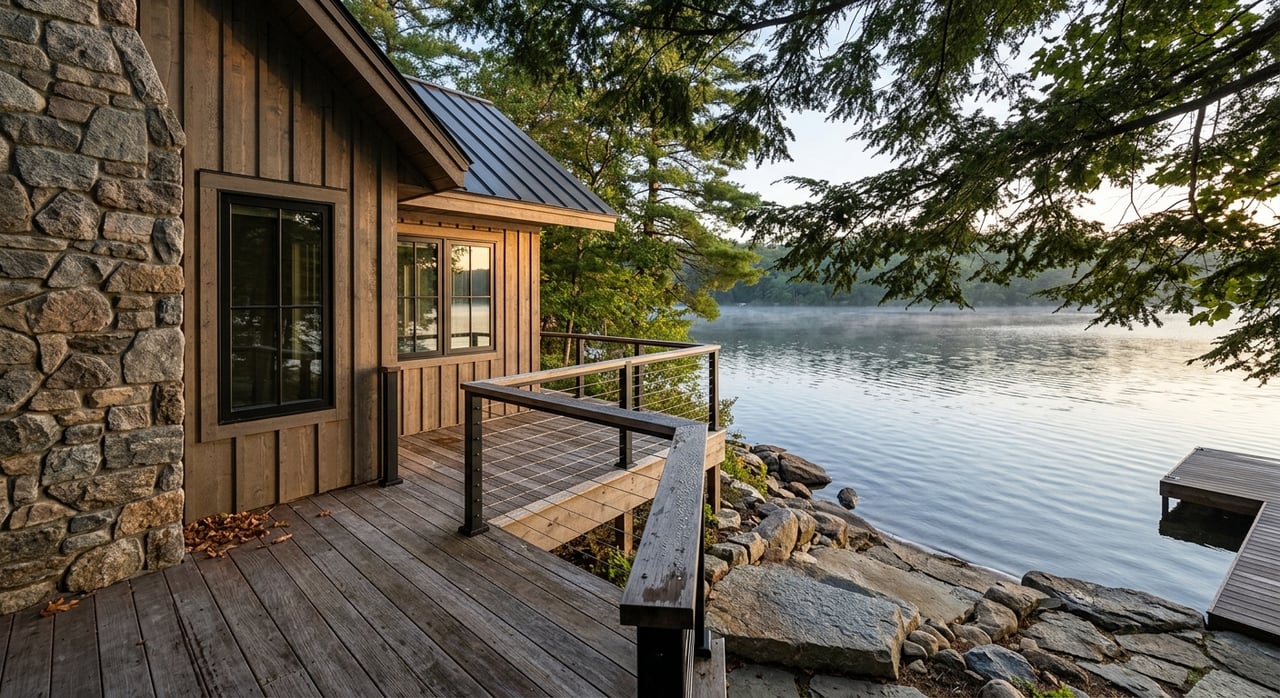
Which Lake Blue Ridge Shoreline Area Fits You Best?
April 2, 2026
April 2, 2026
If you have ever looked at two Lake Blue Ridge properties and wondered why they feel completely different, you are not imagining it. On this lake, shoreline choice can shape your day-to-day experience just as much as the home itself. The right stretch of shoreline can mean easier boating, a quieter setting, a different view, or a better fit for how you actually plan to use the property. Let’s dive in.
Lake Blue Ridge is a 3,290-acre TVA reservoir on the Toccoa River in Fannin County near Blue Ridge, and it stretches about 11 miles southeast from the dam. It also has roughly 65 miles of shoreline, with only about 25% developed, while much of the rest borders the Chattahoochee National Forest, according to TVA and Recreation.gov. That mix gives you real variety, from more active access corridors to more wooded, tucked-away stretches.
For buyers, that means there is no single “best” shoreline on Lake Blue Ridge. The better question is which shoreline best matches your priorities. If you want easy lake-day logistics, you may compare areas near the marina or public access points. If you want a quieter, more forest-backed feel, you may look farther from those activity hubs.
If convenience is high on your list, start by understanding the lake’s service-oriented nodes. The Lake Blue Ridge Marina lists wet slips, rentals, fuel, a store, and a bar-and-grill at 335 Marina Dr. in Blue Ridge. Nearby, Morganton Point Recreation Area is the only developed campground on the shoreline and offers camping, beach access, swimming, boating, waterskiing, hiking, and fishing.
Properties in relation to these areas can appeal to buyers who want straightforward access to boating support and day-use amenities. The tradeoff is simple: places closer to active access and service points may feel more convenient, but they can also feel more active during peak lake season. That is not a rule for every parcel, but it is a useful pattern to keep in mind.
On the north side of the lake, Lakewood Landing serves as a paid launch area with sunrise-to-sunset hours and no camping. This matters because launch areas often shape how a nearby shoreline feels on busy boating days.
If your goal is quick launch access, being near a site like this may be a plus. If you are focused on a more private lake setting, you may want to compare homes farther from public ramps. Looking at a map is helpful, but seeing the area in person often tells you more about traffic flow, sound, and the overall rhythm of the shoreline.
The Lake Blue Ridge Recreation Area on the west side is a year-round, no-fee site for motorized boating and day hikes. For some buyers, that nearby access is a practical advantage, especially if boating is central to how they plan to use the property.
At the same time, public access points tend to create a different feel than stretches bordered mainly by forest. Because much of the lake remains undeveloped, the shoreline can shift from publicly active to surprisingly secluded within a relatively short distance. That contrast is one of the reasons location on this lake deserves close attention.
The upper reaches of Lake Blue Ridge can feel different from the lower lake. Georgia DNR’s walleye guide points anglers toward the shoal area in the headwaters during late winter and spring, while also highlighting main-lake points and deepwater humps near the river channel on the lower end.
For buyers, that suggests the upper stretches behave more like a river-influenced arm, while the lower end near the dam feels more open-water oriented. If fishing is part of your lifestyle, this distinction can be especially useful. Even if it is not, these natural differences can still influence how a property feels from the dock, porch, or shoreline.
A shoreline address alone does not tell you everything about the view. Because the reservoir stretches southeast from the dam, orientation changes from one bank and cove to the next, according to TVA. In practice, what matters most is whether the lot faces open water, a narrower cove, the opposite bank, or a forested hillside.
That one detail can affect view width, privacy, and the quality of light through the day. It also shapes how “big” the lake feels from the house. Two homes on the same side of the lake can offer very different experiences depending on their exact position and sightlines.
One of the easiest ways to narrow your search is to decide how much activity feels right to you. Shoreline near the marina, campground, launch areas, or motorized boating access may offer easier logistics for lake recreation. Shoreline farther from those nodes is more likely to feel wooded and removed from day-use traffic.
This does not mean one is better than the other. It means the right fit depends on whether you picture weekends full of boating and visitors, or mornings that feel quieter and more tucked into the landscape.
Lake Blue Ridge is not static through the year. TVA says the lake level varies by about 22 feet from summer to winter in a normal rainfall year to provide seasonal flood storage.
That swing matters more than many buyers expect. A shoreline that looks ideal during summer pool may feel different during winter drawdown, especially when you are thinking about dock usability, near-shore depth, and how you access the water. If you are serious about a property, it is wise to evaluate how it functions at more than one water level.
When you are comparing shoreline homes on Lake Blue Ridge, these are some of the most useful questions to ask:
These questions keep the focus on how the property will actually live over time. That is especially important in Blue Ridge, where lifestyle fit often matters just as much as finishes and square footage.
A simple way to decide is to rank your priorities before you start touring. Think about your top needs in order, not all at once.
For example, you might prioritize:
Once you know your top two or three priorities, the search gets clearer. Instead of looking for a perfect lakefront property in the abstract, you can focus on the stretch of shoreline that best matches how you want to spend your time here.
The biggest takeaway is simple: Lake Blue Ridge is not one uniform shoreline experience. It offers a more developed, town-adjacent core, public access and marina corridors, and quieter stretches backed by forest and public land. Each has its own advantages depending on your goals.
If you are buying a second home, vacation property, or full-time residence, choosing the right shoreline can help you enjoy the lake more from day one. If you want experienced, local guidance as you compare shoreline options, Kim Knutzen can help you narrow the search and find the fit that feels right for your lifestyle.
Stay up to date on the latest real estate trends.
Knowing what buyers are looking for helps Kim with getting the seller's property ready for market. Whether you are looking to buy a second home or sell a rental investment property, Kim specializes in leveraging her local Blue Ridge expertise to get you top value.