In-Town Blue Ridge Living Versus Cabin Communities

February 5, 2026

Are you picturing mornings on a walkable downtown street or quiet afternoons on a porch with mountain views? In Blue Ridge and greater Fannin County, you can choose either rhythm. You want the right lifestyle fit, not just the right house. In this guide, you’ll see the real tradeoffs between in‑town Blue Ridge living in 30513 and the surrounding cabin communities so you can buy with confidence. Let’s dive in.

Blue Ridge at a glance

Blue Ridge is the county seat of Fannin County in North Georgia’s mountain region. The area blends a charming, walkable historic core with a wide ring of rural, wooded parcels and cabin neighborhoods. Tourism, outdoor recreation along the Toccoa River, national forest access, and the Blue Ridge Scenic Railway all shape demand and seasonality. Many buyers use homes here as second homes or vacations, while others relocate full time for the lifestyle.

Lifestyle tradeoffs in brief

  • In‑town 30513 favors walkability, convenience, and easy social life.
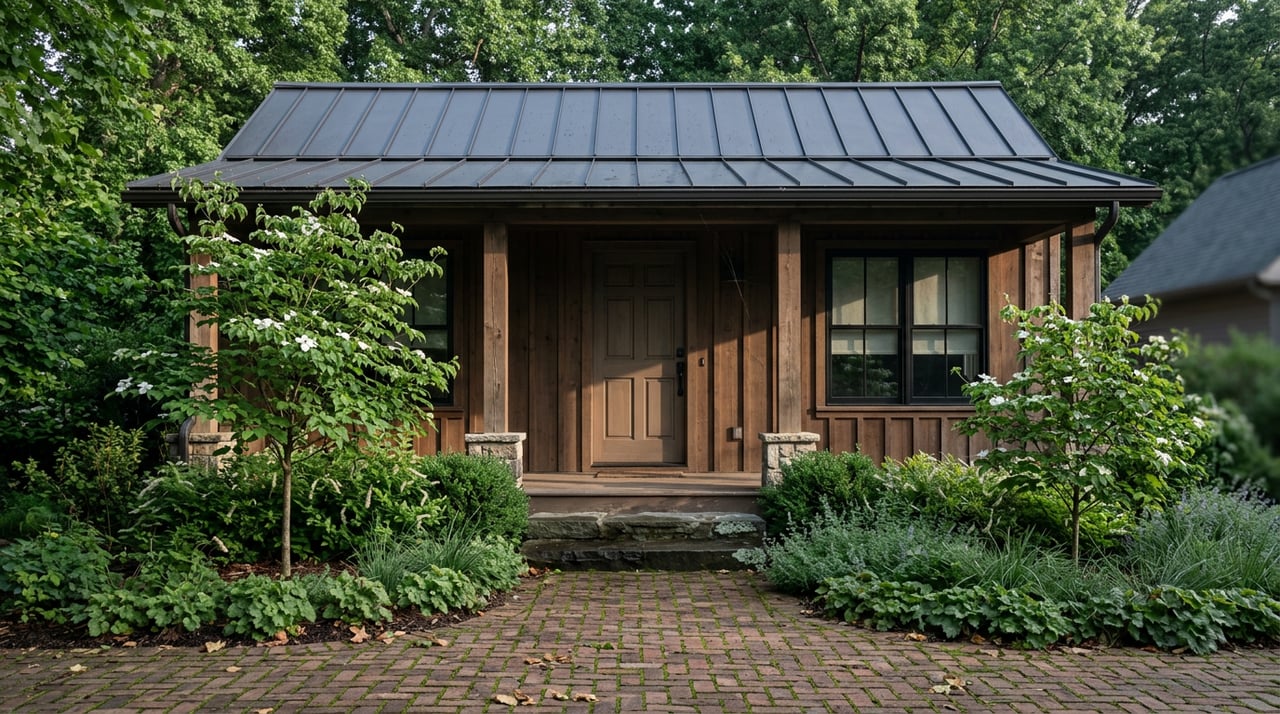
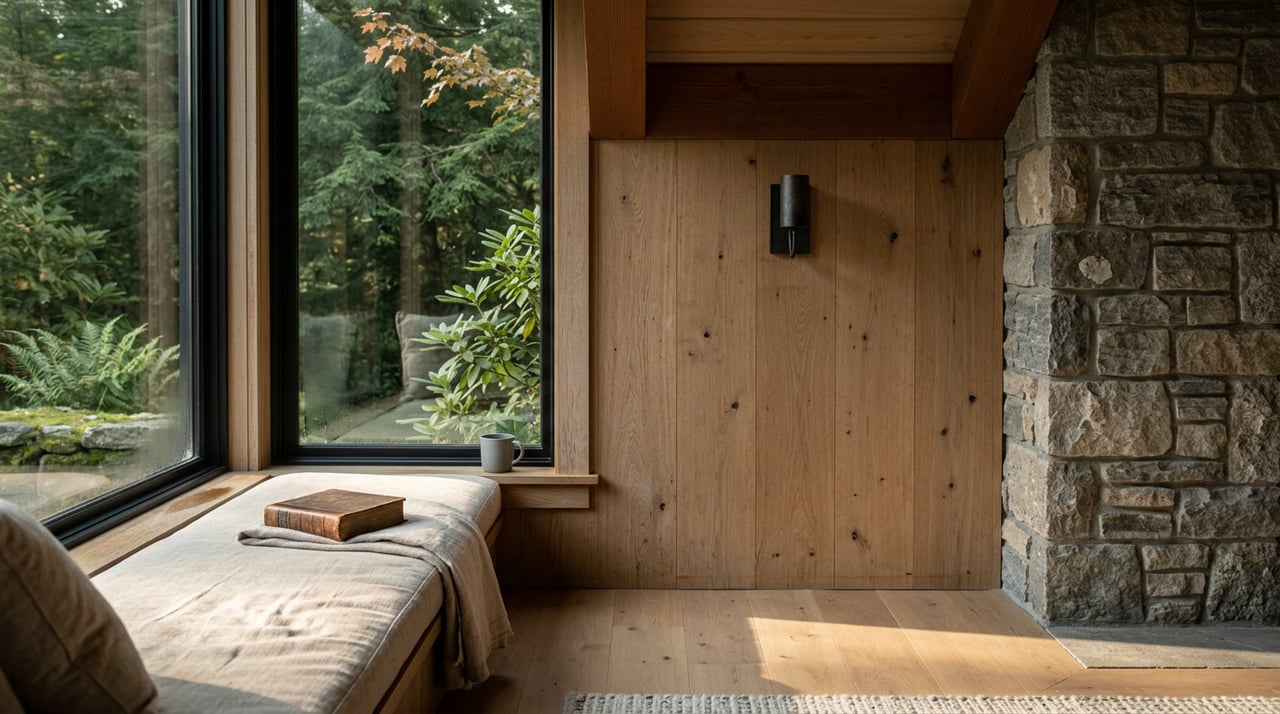
  • Cabin communities favor privacy, wooded or mountain settings, and direct access to nature.
  • Municipal services are more common in town. Private systems and HOAs are more common for cabins.
  • Internet and cell service are typically stronger in town. Coverage can vary in rural areas.
  • Maintenance is generally simpler in town. Cabins often require more ongoing care.

Accessibility and walkability

In‑town Blue Ridge

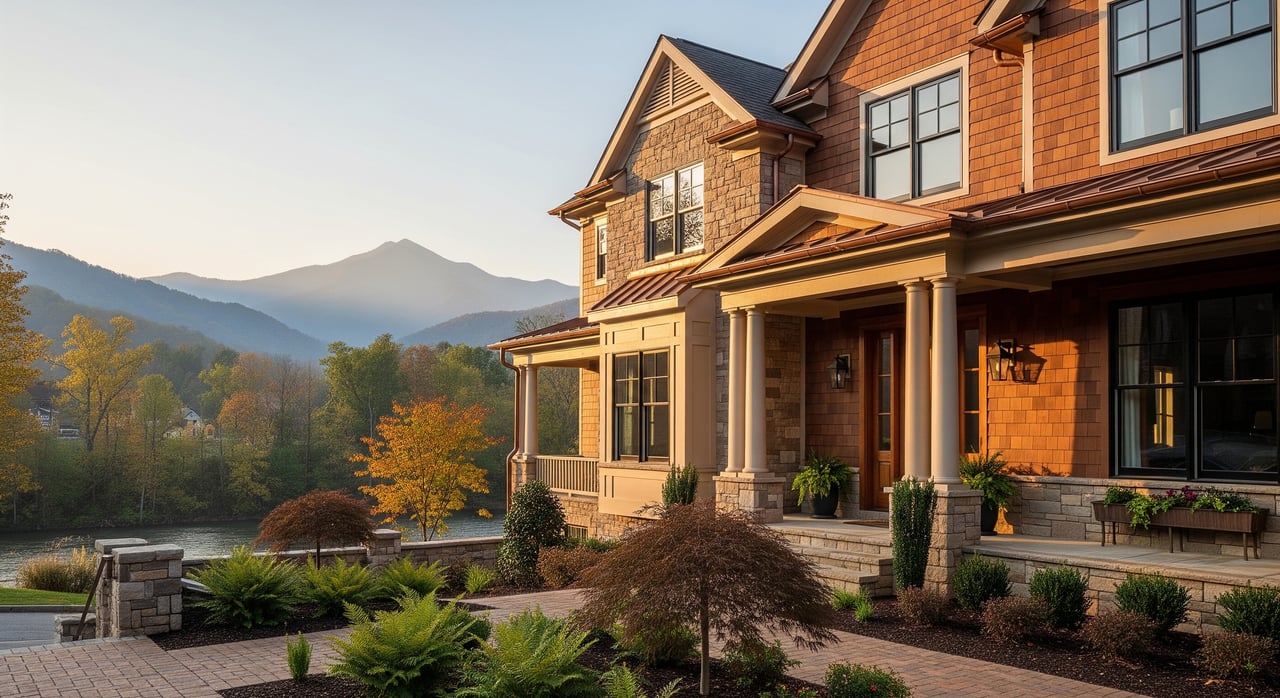
You can walk to boutiques, galleries, restaurants, and local events. Sidewalks and streets are maintained by the city in many areas, which makes short errands simple. The setting suits anyone who values convenience, community events, and a social daily routine.

Cabin communities

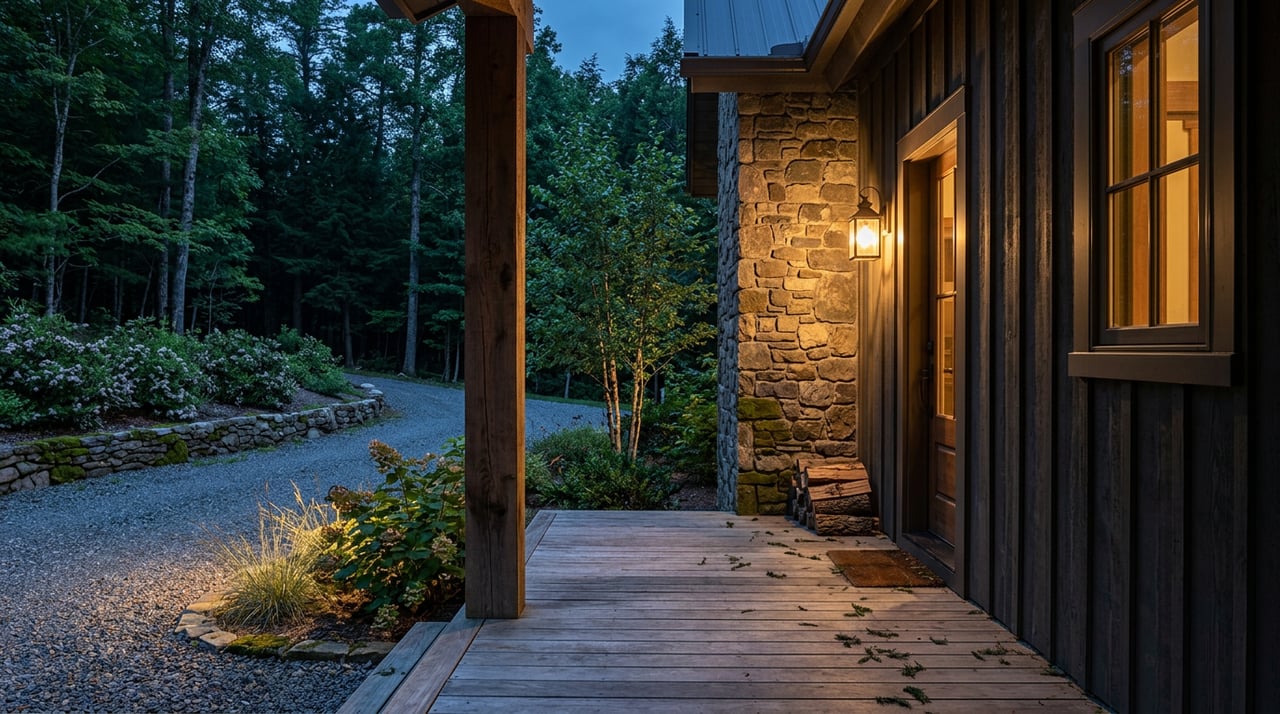
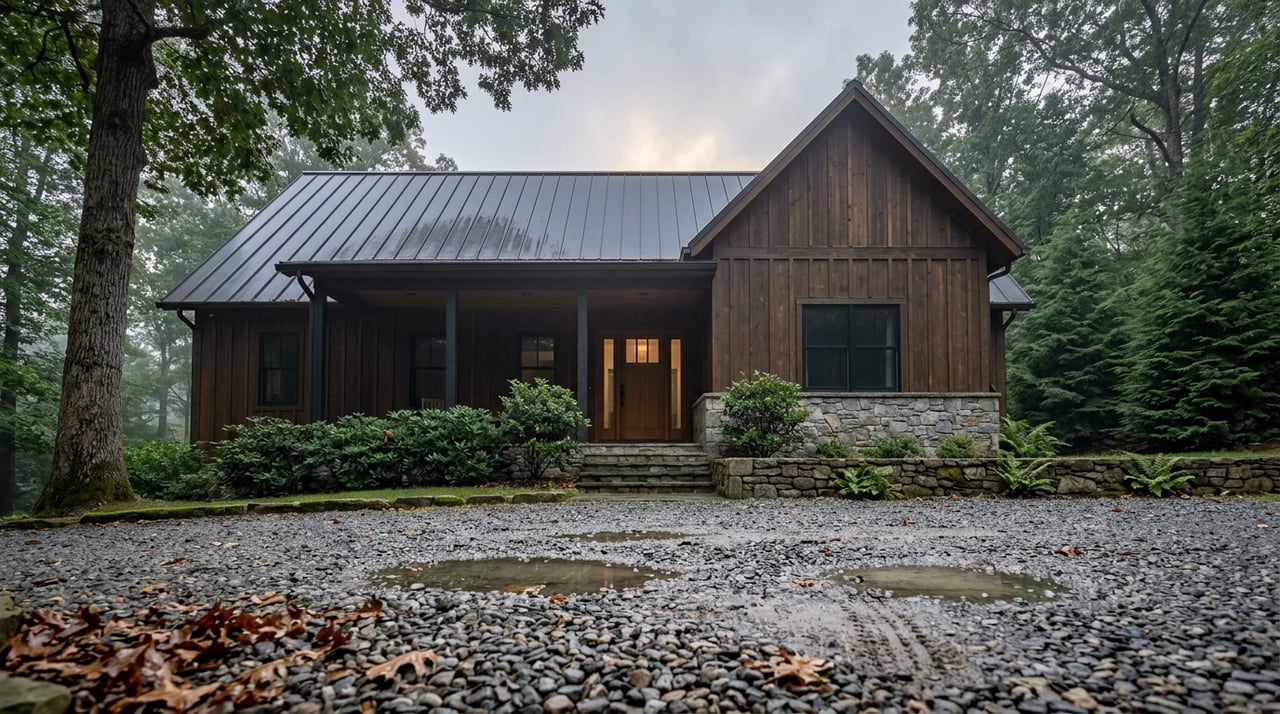
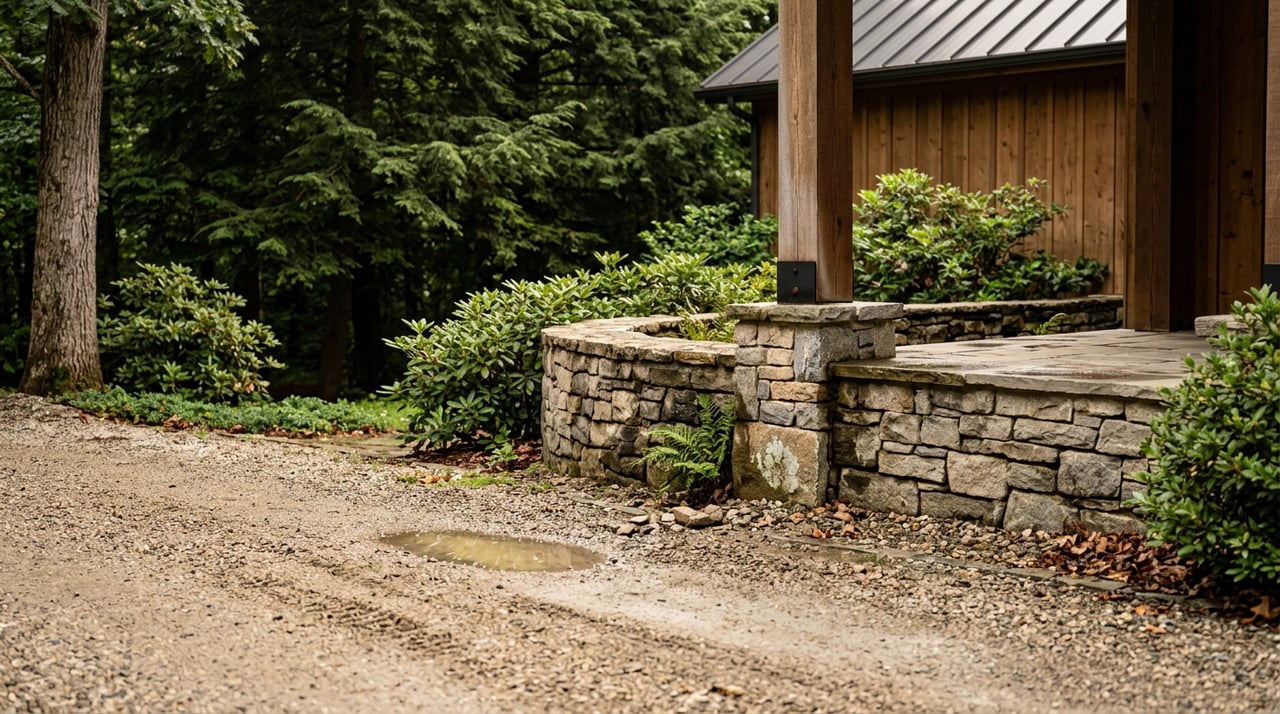
Most cabins sit on private or county roads, and you will drive for groceries and services. Roads can be steep, narrow, gravel, or unpaved. Winter weather or heavy rain can affect access, so plan for seasonal conditions and the right vehicle.

Amenities and services

In‑town Blue Ridge

You are close to dining and shopping, library resources, and municipal events. Many properties in town connect to city water and sewer. Primary care and urgent care are available locally, while major hospital services are in larger nearby cities.

Cabin communities

Expect more distance to services and more self-sufficiency. Some neighborhoods offer gated entries, shared trails, clubhouses, or private fishing ponds through an HOA. Many cabins rely on private wells, septic systems, and propane.

Privacy, views, and noise

In‑town Blue Ridge

Homes often have smaller lots and closer neighbors. You benefit from a lively street scene, public events, and easy dining. You will also hear more street activity and pedestrian traffic.

Cabin communities

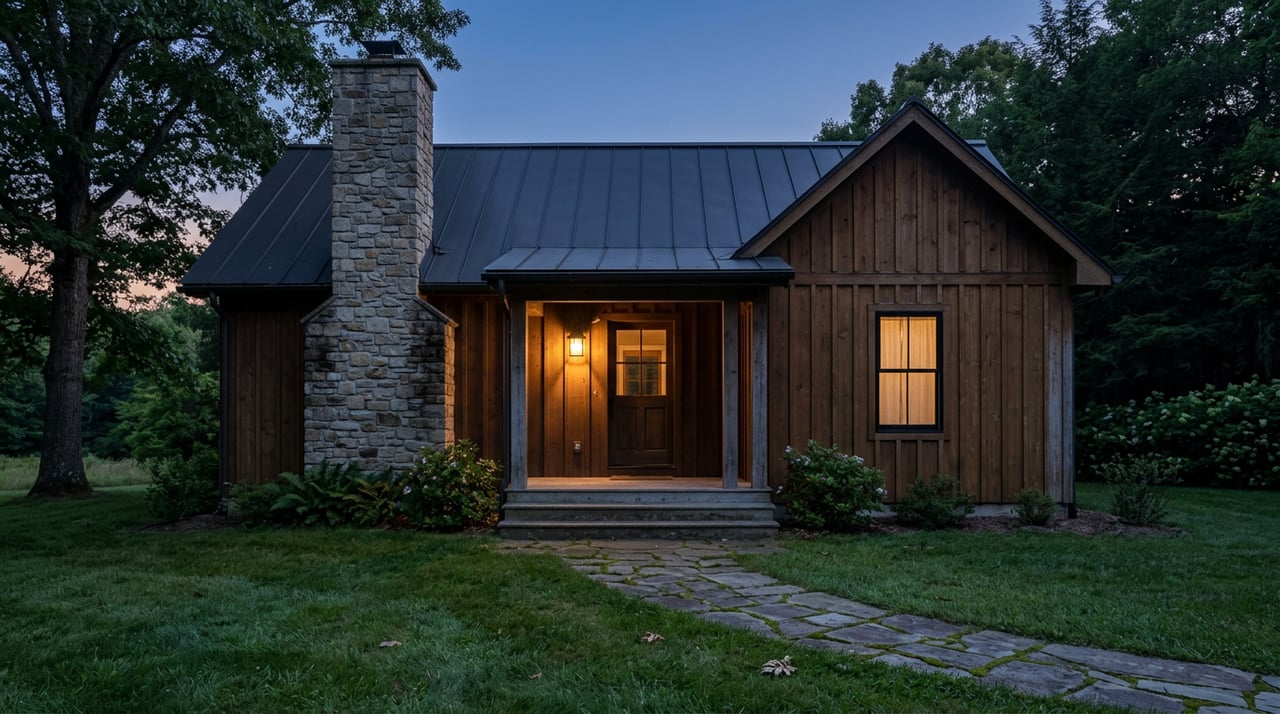
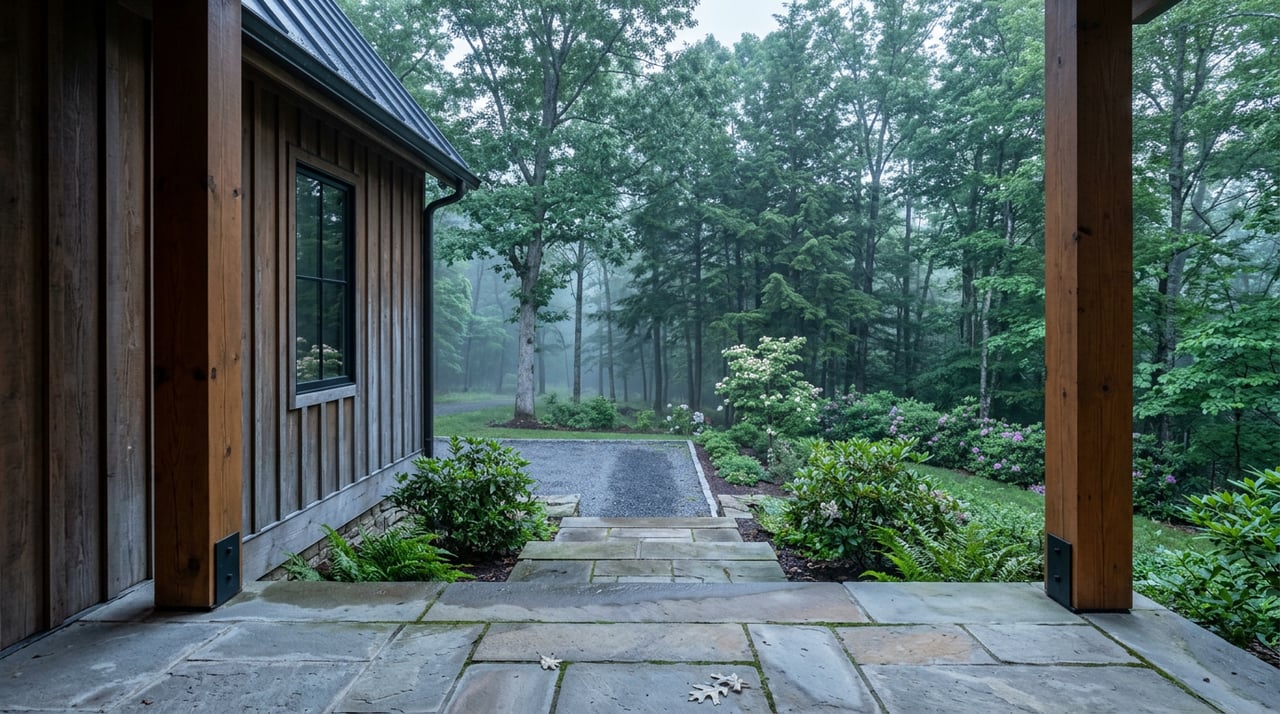
You can prioritize privacy, wooded settings, and broad views. Larger rural parcels feel like a retreat. You may also share the area with neighbors who use land for varied purposes, such as ATVs or hunting, depending on the parcel and season.

Maintenance and care

In‑town Blue Ridge

Smaller lots usually mean simpler exterior upkeep. In many areas, the city handles road repair and snow response, and trash collection can be straightforward. Day-to-day maintenance tends to be lighter.

Cabin communities

Count on more regular upkeep, including septic pumping and inspection, well maintenance, driveway grading, erosion control, and tree management. If you will be away, a caretaker or property management support can be helpful. This adds recurring cost that you should budget for.

Technology and connectivity

In‑town Blue Ridge

Wired broadband and cellular coverage are typically more reliable in town. If you work from home, ask for provider options and speeds at a specific address.

Cabin communities

Coverage can be spotty in parts of Fannin County. Many owners use satellite or fixed wireless as a backup. Always confirm carrier coverage, signal strength, and internet speeds before you make an offer.

Recreation and daily life fit

In‑town Blue Ridge

If you love farmers markets, galleries, cafes, and community events, living in town keeps you plugged in. You can step out your door and enjoy local happenings without planning a drive.

Cabin communities

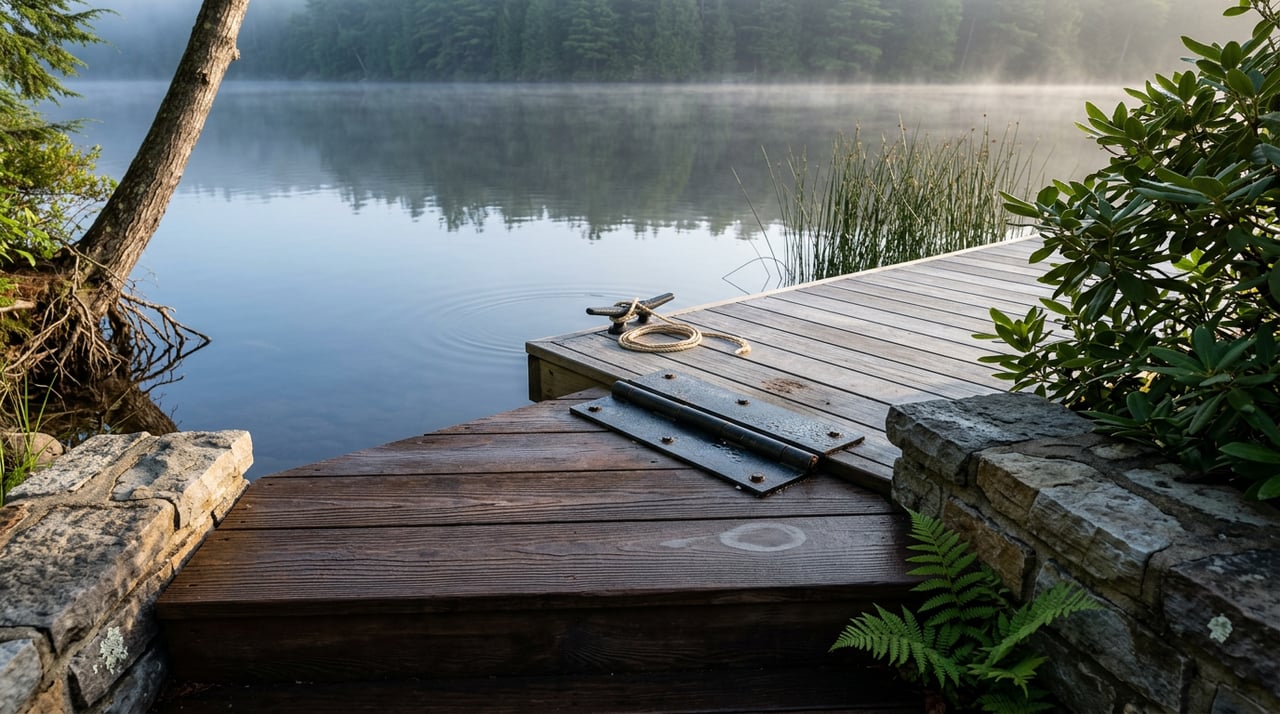
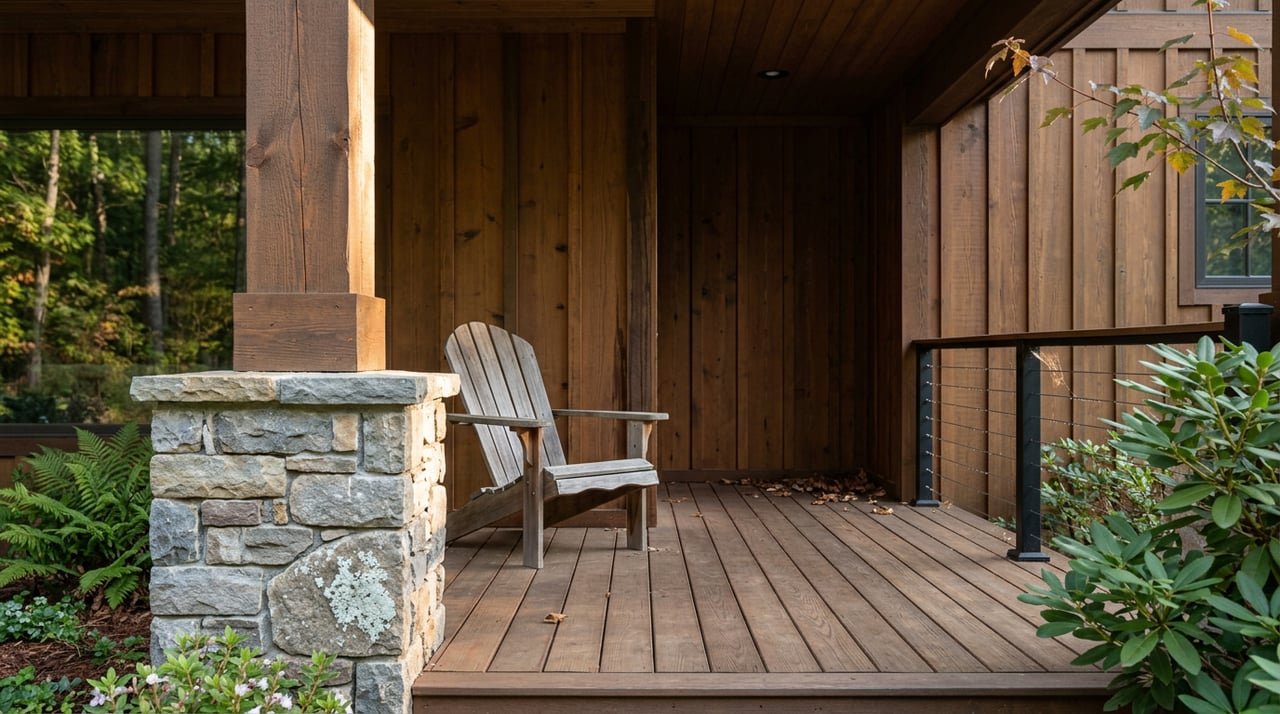
If your perfect day involves trailheads, river time, or quiet mornings on the porch, a cabin may be the better match. The setting puts you closer to hiking, paddling, and unstructured outdoor time.

Cost and total ownership

The right choice depends on how you plan to use the property and how you want to budget. It helps to look beyond the purchase price to the full cost of ownership.

  • Property taxes. Verify current rates and recent assessments with the Fannin County Tax Assessor.
  • Insurance. Premiums can be higher for remote cabins, steep slopes, or limited emergency access. Creek or riverside lots may need flood coverage.
  • Utilities. In town, many parcels use municipal water and sewer. Cabins often use wells, septic, and propane. Ask for historical utility costs.
  • Internet and cell. Confirm provider availability and speeds at the address. If you need remote work reliability, test before you buy.
  • Maintenance. Budget for septic pumping, well care, driveway work, and tree management for cabins. In town, plan for routine home upkeep on smaller lots.

Access and seasonal realities

For any rural property, confirm who maintains the access road. If it is private or HOA controlled, there may be fees for maintenance and snow removal. Walk the driveway and study the grade. Steep or uncut sections, creek crossings, or tight switchbacks can change how you use the property in winter or heavy rain.

Zoning and rules to check

Zoning and permitted uses vary between the City of Blue Ridge and unincorporated Fannin County. Lot size minimums, accessory unit rules, and building codes can differ. Well and septic permits and records should meet county health standards. In cabin communities, HOA covenants may guide exterior finishes, rental policies, or building footprint. Ask for all documents early.

Short‑term rentals and investment lens

Both in‑town homes and scenic cabins can perform well as short‑term rentals, driven by proximity to restaurants and attractions or by premium views and privacy. Rules and taxes differ between city and county. You should confirm required registrations, business licenses, and local lodging or tourist taxes with the City of Blue Ridge and Fannin County. If you plan to rent, factor in management fees, cleaning and turnover, maintenance, and seasonal occupancy patterns.

Buyer checklists you can use

Use these quick checks for any property you are considering.

Physical and site

  • Is the home inside Blue Ridge city limits or in unincorporated Fannin County?
  • Who maintains the access road, and is there a recorded easement?
  • Is the road paved or gravel, and how does it perform in winter or heavy rain?
  • Are there wells and septic systems? Are permits and inspection records available?
  • What is the wildfire risk? What is the tree management history?
  • What is the FEMA flood designation, and has the site seen past flooding?

Utilities and services

  • Who are the providers for electricity, water, sewer, internet, and trash?
  • What are historical utility costs for heating, electric, and water?
  • What backup options exist for internet or power if needed?

Regulatory and financial

  • What is the current property tax amount and millage rate?
  • Are there HOA covenants, fees, or rental restrictions?
  • What city or county registrations or licenses are required for rentals?

Market and rental

  • What are the most recent comparable sales for similar in‑town homes and cabins?
  • For STRs, what are realistic occupancy expectations and seasonal rates based on current data?

Inspection and insurance

  • Order a full home inspection, including septic, well, chimney or heating systems, and driveway or retaining walls.
  • Obtain insurance quotes early, including any special coverage for wildfire, flood, or rental use.

Which option fits you best

Second‑home buyer

  • In‑town strengths: easy weekends, walkable dining and entertainment, lower day‑to‑day maintenance.
  • Cabin strengths: privacy, immersive retreat setting, potential for premium nightly rates in scenic locations.
  • What to watch: management needs for cabins if you are away, and rental rules for both segments.

Retiree or relocation buyer

  • In‑town strengths: walkability, proximity to services and healthcare, fewer steep drives.
  • Cabin strengths: peaceful settings, room for hobbies like gardening or a workshop.
  • What to watch: emergency response times in rural areas, single‑level options, and seasonal access.

Full‑time resident

  • In‑town strengths: community engagement, predictable services, and shorter daily errand times.
  • Cabin strengths: outdoor lifestyle and privacy, especially if you work locally or remotely.
  • What to watch: commute times to town jobs and schools, and the ongoing time and cost of rural maintenance.

How to move forward with confidence

  • Start with lifestyle first. List what you want daily life to feel like in the mountains.
  • Narrow by access and utilities. Confirm roads, internet, and services at each address.
  • Model total cost. Include taxes, insurance, utilities, and maintenance.
  • Verify rules. Confirm zoning, HOA covenants, and any rental requirements.
  • Inspect thoroughly. Pay special attention to wells, septic systems, driveways, and drainage.

Ready to compare specific addresses in 30513 and the surrounding cabin communities? Connect for property recommendations, local insights, and a vetted Family of Services that can help with inspections, insurance, and trusted property management referrals. Let an expert guide your search and make your move smooth from first tour to closing.

If you want a seasoned, local advisor with luxury reach and a concierge process, reach out to Kim Knutzen. Let me be your guide.

FAQs

What is the key difference between in‑town Blue Ridge and cabin communities?

  • In town you get walkability and municipal services, while cabins trade convenience for privacy, wooded settings, and direct access to nature.

How do utilities differ between in‑town homes and cabins in Fannin County?

  • Many in‑town parcels connect to city water and sewer, while cabins often use wells, septic systems, and propane, which require additional maintenance planning.

What should I know about short‑term rental rules in Blue Ridge and Fannin County?

  • Rules, registrations, and taxes can differ between city and county, so confirm permits, business licenses, and lodging taxes with the appropriate local offices before you buy.

Will I have reliable internet and cell service at a cabin?

  • Service varies by location; verify providers and speeds at the property address and consider satellite or fixed wireless as a backup if needed.

How does maintenance compare for in‑town homes versus cabins?

  • In‑town homes usually mean simpler exterior upkeep, while cabins often require septic and well care, driveway grading, erosion control, and ongoing tree management.

How can I evaluate road access and seasonality for a rural cabin?

  • Confirm who maintains the road, review any HOA or private road agreements, and assess driveway grade and surfacing to understand winter and heavy‑rain access.

Work With Me

Knowing what buyers are looking for helps Kim with getting the seller's property ready for market. Whether you are looking to buy a second home or sell a rental investment property, Kim specializes in leveraging her local Blue Ridge expertise to get you top value.