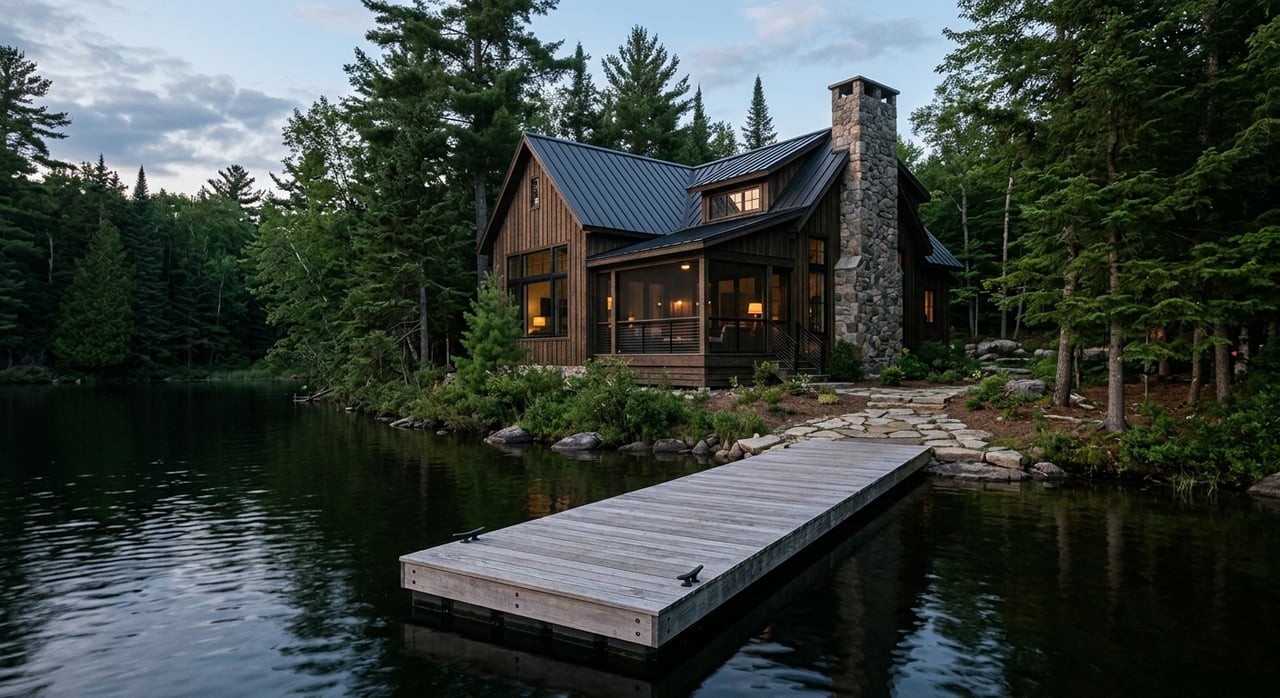
Owning A Second Home On Lake Blue Ridge
March 24, 2026
March 24, 2026
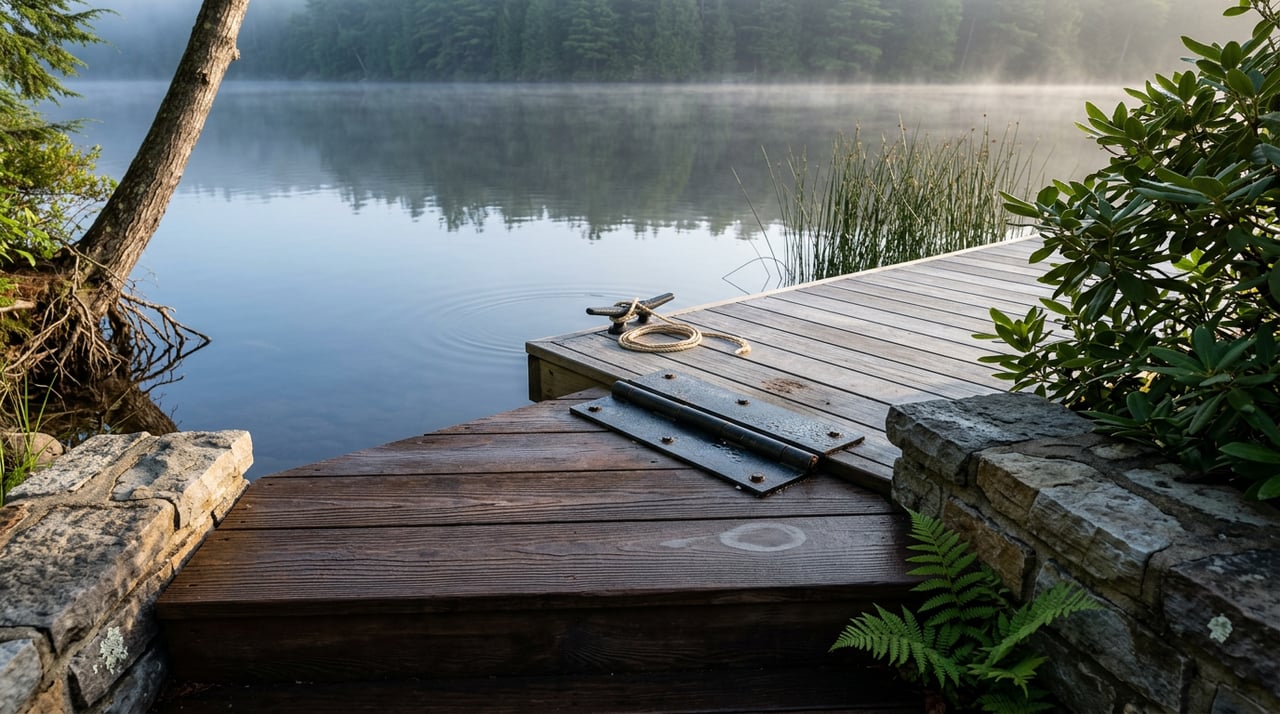
What if your Friday routine ended with sunset on a quiet dock and the soft rise of the Blue Ridge ridgeline across still water? If you have been dreaming about a lake escape that is easy to reach and simple to enjoy, Lake Blue Ridge checks the boxes. In this guide, you will learn what life looks like here, what to check before you buy, and how to navigate rules, taxes, maintenance, and short-term rentals with confidence. Let’s dive in.
Lake Blue Ridge gives you the classic North Georgia lake-and-mountain setting with practical access for weekend use. The reservoir covers roughly 3,200 to 3,300 acres with about 60 to 65 miles of shoreline, and summer pool sits near 1,686 feet. It is managed by the Tennessee Valley Authority (TVA), which also sets seasonal operating levels that can fluctuate by about 20 to 22 feet. You can review water levels and the operating guide on the TVA’s official page for Blue Ridge Reservoir.
The drive is part of the appeal. From Atlanta, you can often reach Blue Ridge in about 1.5 to 2 hours, depending on traffic. From Chattanooga, plan on roughly 1.5 to 1.75 hours. Even from parts of western North Carolina, the trip can be 2 to 3 hours. For trip planning and regional routes, use the local visitor guide’s getting here overview.
On the water, a normal Saturday might mean a slow pontoon cruise, a swim at a managed beach area, and a late lunch in downtown Blue Ridge. Nearby, you have trail systems, river access, and the Blue Ridge Scenic Railway. If you want a simple beach day or an easy boat launch, Morganton Point Recreation Area is a go-to for swimming and ramps. You can check day-use details on the Morganton Point page.
Spring brings dogwoods, cool mornings, and trout activity below the dam on the Toccoa tailwater. Summer is for dock days, tubing coves, and sunset cruises. Fall stretches your stay with foliage drives, local orchards, and clear afternoon hikes. Winter offers quiet weekends, occasional snow, and a slower pace by the fire.
Anglers find variety here. The lake supports bass and crappie, while the cold releases below the dam create a trout-friendly tailwater. For a quick species snapshot and context, see this angler’s overview of Lake Blue Ridge.
Public access is solid, which makes weekend ownership easier. You will find a public beach, boat ramps, and picnic areas at several points, with Morganton Point Recreation Area the most recognized developed site on the lake. Local marinas typically offer day rentals for pontoons, kayaks, and paddleboards, plus fuel for day boating. For a quick look at lake activities and outfitters, browse the area’s water sports guide.
TVA’s seasonal drawdowns are normal and support flood storage and operations. Water levels can be lower in cooler months, which can affect dock access and lift positions. If dock use in shoulder seasons is important to you, confirm water-depth patterns at the specific cove and review TVA schedules on the Blue Ridge Reservoir page.
Buying a second home on Lake Blue Ridge is as much about operations as it is about views. A quick pre-offer checklist helps you plan well and avoid surprises.
Waterfront does not always mean flood risk, but it deserves a check. Use FEMA’s Flood Map Service Center to look up parcel-specific data and request any Elevation Certificates from the seller if available. Start your research with FEMA’s official flood map portal, then discuss coverage with your insurer. Some properties may qualify for or require National Flood Insurance Program policies, and private carriers may offer options.
Also remember that TVA seasonal drawdowns can influence how and when you use docks and lifts. Build this into your insurance, storage, and winter planning.
Second homes perform best with a simple, repeatable plan. Budget both time and dollars for routine care.
If you plan to rent or you live out of town, a local manager or house-sitter can be invaluable. Both the city and county expect a 24-hour local contact for short-term rentals. The county’s short-term rental application outlines on-call contact expectations and safety standards; you can review the packet on the Fannin County site. When you work with our team, we can introduce you to vetted local vendors through our curated Family of Services.
Rules differ inside and outside city limits, so start by confirming your property’s jurisdiction.
You will also need to collect and remit state and local lodging taxes. Some booking platforms collect certain taxes for you, but practices vary. Confirm the details in your owner dashboard and keep clear records so you can file any remaining taxes on time.
Rules and tax procedures can change. Check the city/county web pages or call the clerk for the property’s jurisdiction for property-specific guidance.
Lakefront property is a limited inventory category and often commands a premium over inland cabins. Pricing varies widely by cove, view, water depth, dock rights, and home quality. City and county medians found on national aggregator sites also vary by timeframe and sample, which is why you should rely on local MLS data for a specific parcel or cove.
If you are comparing two or three homes, ask for a current set of active, pending, and closed lakefront comps that truly match shoreline type and water access. A small difference in cove position or dock setup can create a large difference in value.
For routing ideas and real-time conditions, see the region’s getting here guide.
Owning a second home on Lake Blue Ridge should feel effortless, from your first dockside coffee to your smoothest August check-in. With four decades of local experience and luxury marketing reach through Ansley Real Estate and Christie’s, we help you find the right shoreline, the right view, and the right plan to enjoy it year-round. When you are ready, connect with Kim Knutzen to explore available homes, compare coves and docks, and map your path to ownership.
Stay up to date on the latest real estate trends.
Knowing what buyers are looking for helps Kim with getting the seller's property ready for market. Whether you are looking to buy a second home or sell a rental investment property, Kim specializes in leveraging her local Blue Ridge expertise to get you top value.