Lake Blue Ridge Dock Basics Every Homebuyer Should Know
May 14, 2026
May 14, 2026
If you are shopping for a lake home in Blue Ridge, it is easy to fall in love with the view and miss the details that shape daily life on the water. On Lake Blue Ridge, the real question is not just whether a home is waterfront, but whether you can actually use the shoreline the way you expect. This guide will help you understand dock rules, boating access, and the key questions to ask before you close so you can buy with more clarity and confidence. Let’s dive in.
Lake Blue Ridge is a TVA reservoir on the Toccoa River in north Georgia, and that matters for homebuyers. TVA says the lake stretches about 11 miles southeast from the dam, and in a normal rainfall year the water level can vary by about 22 feet from summer to winter.
That seasonal change affects how a waterfront property functions throughout the year. A dock that feels easy to use in one season may look very different when the lake is lower, which is why shoreline access and dock setup deserve close attention.
Another defining feature is the shoreline itself. TVA states that about 80% of the reservoir’s 65 miles of shoreline borders the Chattahoochee National Forest, which helps preserve the wooded, less-developed feel many buyers want in Blue Ridge.
On Lake Blue Ridge, owning a waterfront home does not automatically mean you can have a dock. TVA is the main shoreline authority, and its guidance says not all waterfront property is eligible for one.
That makes dock rights a major part of lakefront due diligence. Two homes may both sit on the water, but one may offer practical dock access while the other may have a more limited shoreline setup.
TVA advises buyers to verify whether the lot has the land-rights status that could allow a dock permit. If you are comparing properties, this step can be just as important as square footage, view, or road access.
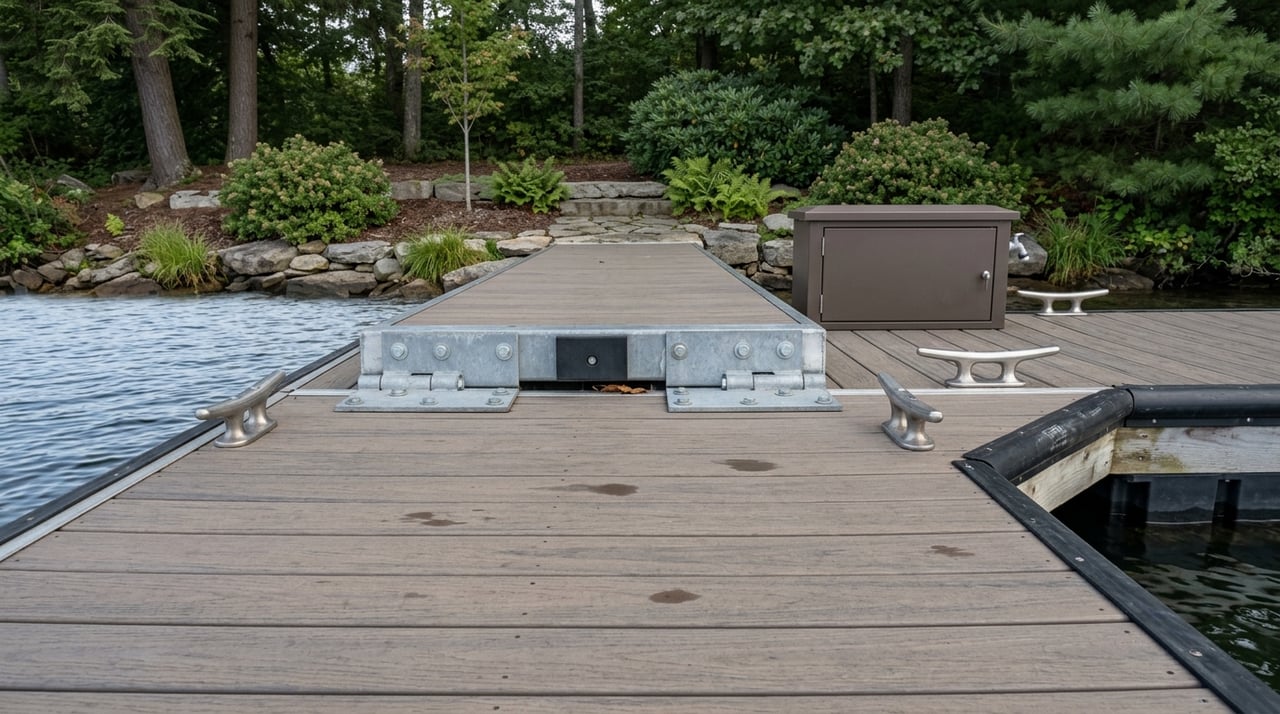
TVA’s dock drawing library gives a useful picture of what buyers may see around the lake. Common residential options include fixed docks, floating docks, and fixed-and-floating combinations.
You may also see covered docks, deck-roof versions, L-shaped layouts, T-shaped layouts, boathouses, and boatslips. In some settings, community docks or marina-based access may also be part of the picture.
For you as a buyer, the dock type matters because it affects convenience, maintenance, and how the property performs as water levels change. A floating section, for example, may function differently from a fully fixed structure during lower water periods.
A dock permit is not a minor paperwork item on Lake Blue Ridge. TVA says shoreline construction requires approval, even for smaller dock changes, and buyers should compare the actual permit to what is built on site.
That review should include more than the dock itself. TVA specifically recommends confirming that shoreline features such as ramps, seawalls, utilities, walkways, and land-based steps appear on the permit and match what exists at the property.
If something has been changed without approval, TVA may treat it as a new request. That can create uncertainty for a buyer who assumed the shoreline improvements were already in order.
One of the most important details for buyers is that TVA permits do not automatically transfer with the sale of a home. TVA says the new owner must apply within 60 days of closing.
That means you should ask early whether the seller has started the transfer process and what documentation is available. Waiting until after closing can add stress to what should be a smooth handoff.
This is also why a dock should never be treated as a casual bonus feature in a listing. On Lake Blue Ridge, permit status is part of the property’s practical value and long-term use.
TVA says Blue Ridge Reservoir typically fluctuates about 22 feet from summer to winter in a normal rainfall year. For buyers, that seasonal pattern can affect walkout ease, water depth at the dock, and how usable the shoreline feels over time.
A property that works beautifully for summer boating may require more planning in lower-water periods. If you expect easy launch access or frequent time on the water, ask how the dock performs when the lake is down.
This is especially important for second-home buyers and vacation-rental investors. Guests and visiting family usually notice ease of access right away, so it helps to understand how the property functions in different seasons.
Even if a property has a private dock, it is smart to know your backup options. Public access around Lake Blue Ridge includes Forest Service recreation sites and marina services.
The Forest Service lists Lake Blue Ridge Recreation Area on the west side of the lake, Lakewood Landing Boat Launch on the north side, and Morganton Point Recreation Area on the shoreline. Morganton Point is the only developed campground on the shoreline and offers camping, a designated swim beach, picnic areas, and access for motor boats, jet skis, and nonmotorized craft.
Lakewood Landing is open year-round, but the Forest Service says it may close because of lake level. Morganton Point also has day-use and boat-launch fees, while camping requires reservations.
Lake Blue Ridge Marina can also be an important part of how you use the lake. According to its official site, the marina offers wet slips, pontoon rentals, kayak rentals, canoe rentals, paddleboard rentals, fuel, a ship store, a bar and grill, and a marine service department.
For some buyers, that support adds flexibility beyond a private dock. If your dock is unavailable, if you prefer not to store a boat at home, or if guests want an easier way to get on the water, marina services can make ownership more convenient.
This can be especially helpful if you are buying a second home and want a simpler lake setup. A house does not have to do every single job on its own if nearby boating resources are part of the lifestyle fit.
A beautiful shoreline should always be matched by careful due diligence. Before closing on a Lake Blue Ridge property, make sure you ask direct questions and review the records closely.
Here are some of the most important items to confirm:
These questions can save you time, money, and frustration later. On this lake, the fine print often shapes the lifestyle just as much as the view.
If you plan to operate your own boat on Lake Blue Ridge, a few Georgia rules are important to know. Georgia requires registration for mechanically propelled vessels and sailboats longer than 12 feet.
Georgia also requires operators born on or after January 1, 1998 to complete a DNR-approved boater education course. In addition, the state requires idle speed within 100 feet of docks, piers, shorelines, marinas, and similar waterfront areas.
These are simple rules to learn early, especially if you are buying a second home and bringing a boat from another area. Knowing them ahead of time can make your first season on the lake more relaxed and enjoyable.
The best Lake Blue Ridge purchase is usually not just the home with the prettiest water view. In practical terms, the strongest waterfront properties tend to be the ones with usable shoreline rights, a dock that matches its permit, and a reliable plan for boating access when water levels change.
That is where local guidance can make a real difference. When you understand how TVA rules, dock design, and seasonal lake levels come together, you can evaluate a property more accurately and avoid surprises after closing.
If you are considering a lake home in Blue Ridge, having a clear picture of shoreline use is one of the smartest ways to protect both your lifestyle and your investment. When you are ready to sort through the details, Kim Knutzen can help you navigate Lake Blue Ridge with local insight and a high-touch approach.
Stay up to date on the latest real estate trends.
Knowing what buyers are looking for helps Kim with getting the seller's property ready for market. Whether you are looking to buy a second home or sell a rental investment property, Kim specializes in leveraging her local Blue Ridge expertise to get you top value.