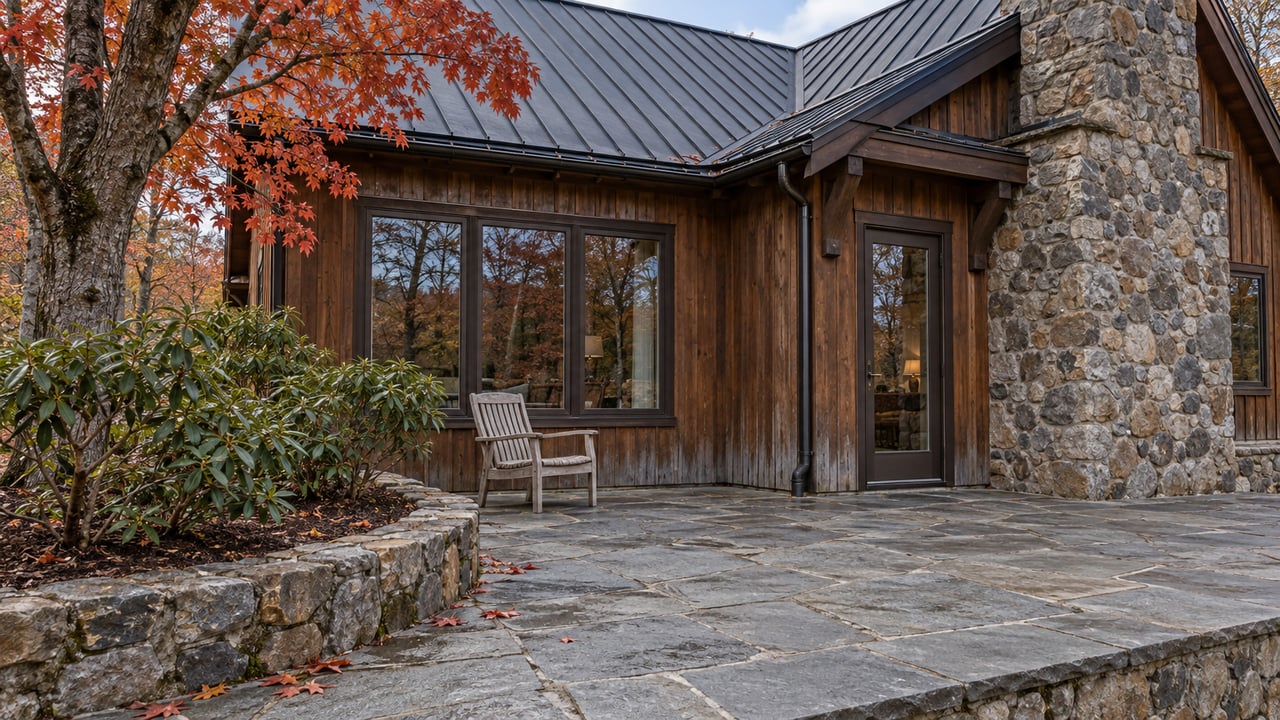
On November 1, the Toccoa Above Lake Blue Ridge Changes Its Rules. The River Below the Dam Doesn't.
October 29, 2026
October 29, 2026
At midnight on Sunday, Nov. 1, the stretch of the Toccoa around Shallowford Bridge, upstream of Lake Blue Ridge, becomes one of five Delayed Harvest streams in Georgia. From then until May 14, 2027, every trout caught there goes back in the water, and every lure carries a single hook.
Downstream of the lake, the Toccoa tailwater below Blue Ridge Dam starts that same Sunday under the same general trout rules it had all summer. Its day depends on whether TVA is sending water through the turbines. Locals call both stretches "the Toccoa," but this winter they keep different clocks. The upstream reach follows the Wildlife Resources Division's calendar. The downstream reach follows the power system.
The Delayed Harvest section is narrower than most people assume. Georgia's 2026–27 regulations define it as the Toccoa "on U.S. Forest Service land from 0.4 miles above the Shallowford Bridge upstream to a point 450 feet upstream of the Sandy Bottom Canoe Access." Those regulations took effect July 1, 2026, and run through June 30, 2027. WRD's October 20 announcement describes the same reach as public Forest Service water upstream of the lake in Fannin County.
From Nov. 1 through May 14, the Georgia trout regulations set three conditions inside those boundaries:
From May 15 through Oct. 31, those restrictions lift and the general trout rules apply. The general rules include Georgia's statewide daily limit of eight trout, with exceptions on specific streams. So the water where you could keep fish through Oct. 31 becomes, on Nov. 1, water where nothing goes home in a cooler.
Chris French, WRD's Trout Stocking Coordinator, explained the reasoning in the agency's announcement: "These streams are stocked monthly by WRD, alongside partners like the U.S. Fish and Wildlife Service and South Carolina DNR. This approach of regular stocking and catch-and-release ensures great trout catch rates during the delayed harvest season."
The calendar has one wrinkle. The rules start Sunday, Nov. 1, but WRD says the season's first Delayed Harvest stockings will happen during the week of November 2. Opening day comes a few days before the first fresh fish. Anyone hoping to fish right behind the stocking truck is really aiming for the following weekend.
For most of this fall, the main Toccoa wasn't where local guides were sending people. On Oct. 1, Cohutta Fishing Company, a Fannin County outfitter, reported that "the Toccoa is still experiencing turnover temperatures, so we have been focusing on the creeks." The same note appeared again in WRD's Georgia Fishing Report for October 16. That report said the creeks were low but fish were still taking small dries like an olive or grey Parachute Adams, a Purple Haze or a yellow Stimulator.
The same WRD report also covered the statewide stocking calendar. Apart from one or two fall stockings and the Delayed Harvest streams' monthly stockings, trout stocking season in Georgia is over. That explains why Nov. 1 matters on the upstream Toccoa. Across most of North Georgia, stocking is winding down for the year. On this one reach of the Toccoa, it's about to start up again every month.
Below Blue Ridge Dam, the Toccoa has no Delayed Harvest season. On its trout fishing page, WRD calls the tailwater "an excellent destination for both new and seasoned trout anglers because of its high catch rates." The agency says rainbow and brown trout are stocked there every year, most fish run 8 to 12 inches, and anglers "should be ready for a memorable trout over 20 inches." WRD's Delayed Harvest announcement lists the Toccoa below Lake Blue Ridge among its recommended waters for fall trout fishing.
Here's how the two stretches compare once the season starts:
| Toccoa above Lake Blue Ridge | Toccoa below Blue Ridge Dam | |
|---|---|---|
| Nov. 1 to May 14 | Delayed Harvest: catch-and-release, single-hook artificial lures | General trout rules |
| Stocking | Monthly during the DH season | Rainbows and browns stocked annually |
| What sets the day | WRD's stocking calendar | TVA release schedule |
| Planning tool | WRD announcements and stocking reports | TVA's Blue Ridge page and Lake Info app |
The last row of that table is the one tailwater regulars plan around. TVA's Blue Ridge Dam page posts current outflow and an hour-by-hour generation schedule. It also carries a plain warning: "Water release schedules can change without notice due to unanticipated weather changes or power system requirements. Large amounts of water could be discharged at any time." At 11 p.m. on Saturday, Oct. 24, the page showed outflow of 171 cfs. It showed one generating period scheduled for Sunday, Oct. 25, from 6 to 10 p.m., and none at any other hour that day. That snapshot is already out of date, but the page keeps the same layout, so one glance shows which hours are quiet and which bring generation flows. TVA's Lake Info app shows the same generation releases on a phone.
Above the lake, the thing to check this winter is whether the monthly stocking has happened yet. Below the dam, the turbine schedule matters more.
The Delayed Harvest reach ends just above Toccoa River Sandy Bottoms Recreation Area, on the Blue Ridge Ranger District. The Forest Service lists it as open year-round, 24 hours a day, with paved parking, a paved ramp for small boats, a vault toilet and picnic tables. To get there from Blue Ridge, go south on Aska Road for 8.5 miles. Turn left across Shallowford Bridge, then right on Shallowford Bridge Road for 1.3 miles. Turn right on Old Dial Road and drive 0.6 miles to the entrance. Day use is $5 per vehicle, and the site has not taken cash or checks on site since Oct. 2, 2024. If you'll visit often, the Chattahoochee-Oconee Forest Annual Pass costs $25, covers day fees at selected sites for a year from the month you buy it, and is sold at Forest Service offices including Blairsville and Chatsworth.
Upstream, Deep Hole Recreation Area sits on a big bend of the river north of Suches. It is the put-in for the Toccoa River Canoe Trail, which runs 13.8 miles down to Sandy Bottoms. The Fannin County Chamber says the trail is popular with float fishermen after cold-water trout, and that it ends at the Sandy Bottom Canoe Take Out. The Delayed Harvest boundary sits 450 feet upstream of that canoe access, so a full float leaves the Delayed Harvest water shortly before the takeout. Deep Hole also charges $5 per vehicle per day, paid by scanning a QR code with the Recreation.gov mobile app. The Forest Service says to download the app before you go, because some remote areas have little or no cell service. That page also lists a Georgia fishing license and a trout license among the permits for the area.
The Swinging Bridge on the Toccoa, a camping stop along the canoe trail, is reached by about three miles of rough gravel on FS Road 816. The Chamber notes that weather can affect the access roads.
On weekends when both stretches of the Toccoa are busy, WRD points to the Noontootla Creek watershed for wild brown and rainbow trout, with wild brook trout in many of its tributaries. Noontootla and its tributaries are managed as artificial-lure-only water with a 16-inch minimum size limit. Its rules don't change with a season the way Delayed Harvest does. They stay strict all year.
That gives three sets of rules within a short drive of downtown Blue Ridge this winter. The upstream Toccoa switches over on Nov. 1, the tailwater runs on TVA's posted schedule, and Noontootla's artificial-lure, 16-inch rules apply year-round. Regulations change from one season to the next, so this is general information and not legal advice. Check the current Georgia regulations and your license before you fish.
I've lived alongside this river long enough to know it plays a part in how people choose where to live here. Some buyers want to be a short drive from the Delayed Harvest access, some want to be near the tailwater, and some want quiet water out the back door. If you're weighing property near the Toccoa, Guide to Blue Ridge can show you how each stretch fits into a real weekly routine. Let me be your guide. Start your Blue Ridge search.
Stay up to date on the latest real estate trends.
Knowing what buyers are looking for helps Kim with getting the seller's property ready for market. Whether you are looking to buy a second home or sell a rental investment property, Kim specializes in leveraging her local Blue Ridge expertise to get you top value.