How Blue Ridge Tourism Influences Real Estate
May 28, 2026
May 28, 2026
Tourism is not just part of Blue Ridge life. It is one of the forces that helps shape how this real estate market looks, feels, and moves. If you are thinking about buying, selling, or investing in Fannin County, it helps to understand why visitor traffic matters and how it connects to pricing, property types, and timing. Let’s dive in.
Blue Ridge has a visitor economy that reaches far beyond weekend sightseeing. Downtown activity, seasonal rail excursions, major festivals, and lake recreation all bring a steady flow of people into the area throughout much of the year.
The Blue Ridge Scenic Railway operates from downtown Blue Ridge and runs seasonally from mid-March through December. It offers 2-hour and 4-hour rides, and the experience is tied closely to shopping, dining, live music, and mountain views downtown. The railway also notes that weekends are its busiest days, with limited parking at times.
That kind of repeat visitation matters in real estate because it keeps Blue Ridge visible. Many buyers first experience the area as visitors, then begin to picture a second home, future retirement move, or investment property here.
Tourism in Blue Ridge is also event-driven. The City of Blue Ridge Downtown Development Authority says its mission is to make downtown an exciting place to live, shop, and invest, while the Blue Ridge Business Association promotes tourism and special events.
Several downtown events bring major crowds. According to the Blue Ridge Business Association, Blue Friday, Light Up Blue Ridge, and Fire & Ice each attract more than 5,000 people downtown. Those events help keep Blue Ridge top of mind for people who value walkability, cabin-town charm, and easy access to local activity.
For buyers, that can increase interest in homes near downtown or properties that offer a strong lifestyle connection to the area. For sellers, it helps explain why Blue Ridge often attracts attention from out-of-town buyers who are already emotionally connected to the market.
Blue Ridge also benefits from a strong arts and outdoor recreation identity. The Blue Ridge Mountains Arts Association says Arts in the Park draws more than 20,000 attendees annually and features more than 170 artists, exhibitors, and vendors.
On the outdoor side, Blue Ridge Reservoir adds another layer of demand. TVA describes the reservoir as an impoundment on the Toccoa River in north Georgia with a scenic overlook, picnic area, and canoe and kayak launch, along with strong recreation value for boating and fishing.
This is important because many Blue Ridge buyers are not shopping for square footage alone. They are buying into a mountain and lake lifestyle, and tourism often gives them their first real exposure to that lifestyle.
Tourism does not explain every sale price, but it is clearly part of the demand story. Public market trackers for spring 2026 show a generally elevated market, even though exact figures vary by source.
Zillow placed Blue Ridge’s median home value at $512,473 in April 2026. Orchard reported a median sale price of $520,000 in the last 30 days, along with 302 homes for sale and 14.65 months of supply. Redfin showed a median sale price of $736,000 in Fannin County in March 2026, with 113 median days on market.
The exact numbers are not identical because each platform uses different methods and timeframes. Still, the broader pattern is consistent: properties that align with the Blue Ridge visitor lifestyle can command premiums, especially when they offer lake access, walkability, or classic cabin appeal.
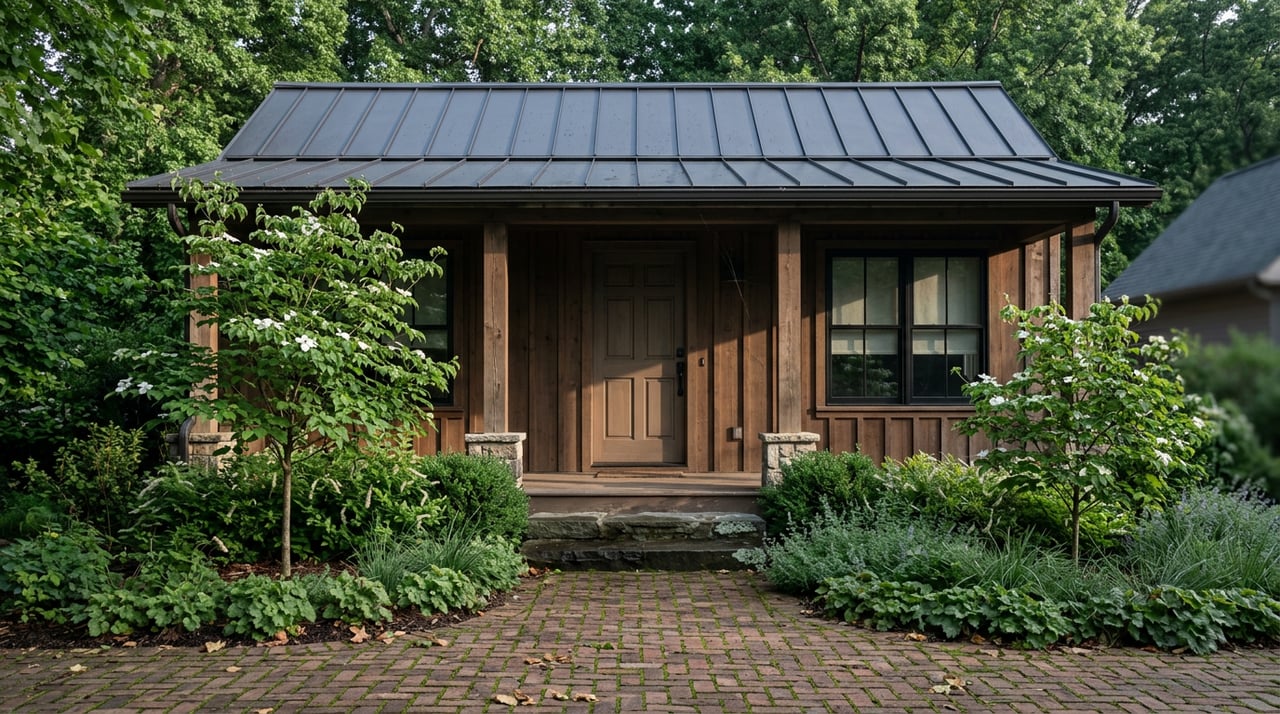
One of the biggest mistakes buyers and sellers can make is assuming this market behaves as one single category. It does not. Blue Ridge and Fannin County include downtown cottages, mountain cabins, lake homes, acreage, and properties that may appeal to short-stay guests.
That variety helps explain why inventory and market pace can look uneven. A property near downtown may attract a different buyer pool than a private acreage tract, and a lake-access home may perform differently from a primary residence farther from visitor activity.
Tourism tends to amplify those differences. Homes tied closely to the area’s most recognizable experiences often draw stronger interest than properties that compete on price alone.
In Blue Ridge, seasonality matters. The railway operates on a seasonal schedule and highlights fall foliage and holiday runs as key parts of its calendar, while downtown groups concentrate events at specific times of year.
That means buyer energy can rise around certain tourism peaks. A property may receive more attention when the town is active, the weather is favorable, and visitors are already in the area experiencing what makes Blue Ridge appealing.
For sellers, this can shape listing strategy. For buyers, it can help explain why some homes seem to get more traction during busy tourism windows.
Tourism also affects the investment side of Blue Ridge real estate. In Fannin County, short-term rentals are part of a formal county system rather than an informal side use.
The county says short-term rental applicants must submit an application packet after closing, purchase an annual lodging certificate, and keep up with monthly tax reporting. Fannin County also notes that owners using Airbnb or VRBO are still responsible for entering the monthly tax amounts due by the 20th of the following month.
That is important for buyers considering a vacation rental strategy. It shows that short-term rental ownership here comes with real compliance requirements and should be approached with clear planning from the start.
Tourism is not a minor influence in Fannin County. The county’s 2024 annual financial report shows $7,065,277 in lodging-tax receipts, with $3,417,256, or 48.4%, disbursed for trade and tourism.
Those numbers reinforce how central visitor spending is to the local economy. When tourism is this established, it naturally affects real estate demand, especially for homes that fit the way people want to experience Blue Ridge.
For investors, that creates opportunity, but it also raises the need for careful property selection. The right fit depends on location, access, property style, and how well a home aligns with actual visitor demand.
If you are buying in Blue Ridge, tourism should be part of your property analysis. It can help you understand why certain homes feel more competitive, why location premiums exist, and why lifestyle features often matter as much as basic specs.
It is also a reminder to think beyond broad county averages. A walkable cottage, a lake-oriented property, and a secluded mountain cabin may each serve a different goal and behave differently in the market.
A smart buying approach starts with clarity about your intended use. Are you looking for a personal retreat, a future retirement home, a part-time investment, or a full-time move? Your answer shapes what tourism means for your search.
If you are selling, tourism helps explain why presentation and positioning matter so much in Blue Ridge. Buyers are often purchasing an experience as much as a structure, so lifestyle marketing can play a major role in how your home is perceived.
That does not mean every property should be sold the same way. It means the listing strategy should match the home’s strongest connection to what draws people here, whether that is mountain views, lake access, cabin design, acreage, or convenience to downtown activity.
In a segmented market, the best results often come from identifying the most likely buyer and presenting the property with that audience in mind.
Tourism is not a side note in the Blue Ridge real estate market. It is part of the pricing story, part of the rental story, and part of the inventory story.
From the Blue Ridge Scenic Railway and downtown festivals to Arts in the Park and Blue Ridge Reservoir recreation, the area gives visitors many ways to connect with place. Over time, that connection often turns into buying demand, seller opportunity, and continued interest in mountain and lake properties across Fannin County.
If you want to understand how tourism may affect a specific home, lot, cabin, or lake property, local context matters. For tailored guidance on buying or selling in Blue Ridge, connect with Kim Knutzen.
Stay up to date on the latest real estate trends.

Knowing what buyers are looking for helps Kim with getting the seller's property ready for market. Whether you are looking to buy a second home or sell a rental investment property, Kim specializes in leveraging her local Blue Ridge expertise to get you top value.