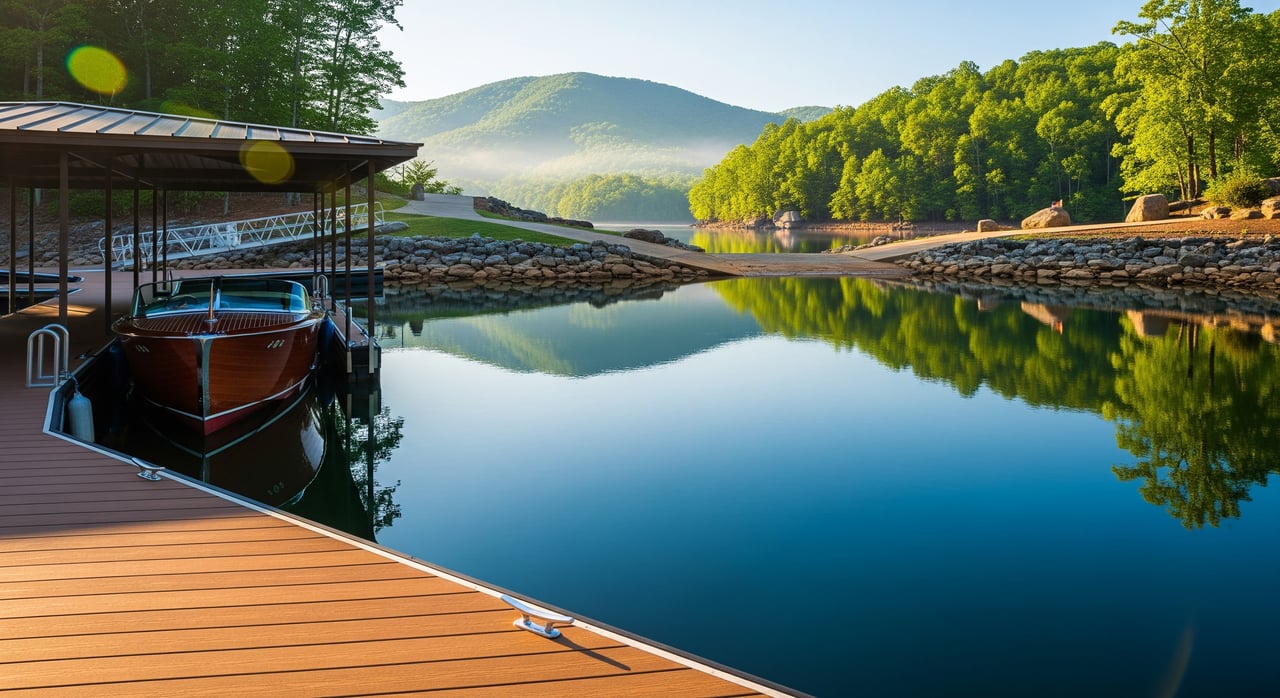
Lake Blue Ridge Boat Ramps, Marinas & Lake Access Guide
January 15, 2026
January 15, 2026
New to Lake Blue Ridge and wondering where to put in, fuel up, or park a trailer without stress? You are not alone. Second‑home owners and weekenders often face crowded ramps, patchy fuel hours, and mixed public vs. private access. This guide gives you a clear plan for ramps, marinas, rentals, fees, hours, and safety so you can enjoy the water with confidence. Let’s dive in.
Lake Blue Ridge is a reservoir in Fannin County created by a dam on the Toccoa River. Access is a mix of federal recreation sites, county parks, private marinas, and commercial outfitters. Each site sets its own hours, fees, and rules, so you should always check on‑site signage before you launch. Use the simple zones below to plan your day and avoid surprises.
Public ramps are found at county parks and U.S. Forest Service recreation areas. You can usually expect a concrete ramp, day‑use parking, and basic restrooms. Many sites prohibit overnight trailer parking and post no‑wake zones near ramps and swim areas.
Private marinas typically offer fuel, slip rentals, transient docking, a store, ice, and often basic service or parts. Ramp access can be public for a fee or limited to customers. Launch or guest dock fees vary by site.
Commercial operators rent pontoons, fishing boats, and non‑motorized gear like kayaks and paddleboards. They run seasonally and book up early on holidays. Some deliver to private docks while others offer on‑site pickup.
Developed recreation areas and campgrounds often include ramps. Day‑use fees may apply, and parking can be limited on peak weekends. Some allow registered campers to launch outside general day‑use hours.
Many homes and subdivisions have private docks that are for owners and their guests only. These are not open to the public.
This is the most full‑service area, closest to town. Expect marinas with fuel, slip rentals, on‑site rentals, and convenience items. Hours tend to be more consistent here in summer, though winter operations may be limited.
This side feels more like a classic recreation corridor with trails and day‑use sites. Look for public ramps with basic amenities and limited trailer parking. It is great for quiet coves and paddling if you time it outside peak weekend hours.
The upper lake has Forest Service and day‑use access points that appeal to anglers and families. Facilities are simpler and there are fewer commercial services. Plan fuel and supplies before you launch.
You will find quieter water and scattered private docks. Public parking is limited in this area, so it is best for owners with private access or boaters who want a peaceful paddle away from crowds.
Use this visual to orient your day. Lanes show general travel routes and the main roads that get you there.
                 N
              Morganton Point
                  [Public Ramp/Day Use]
                      ^
                      |  Morganton Rd
                      |
   Aska Rd  <----  Lake Blue Ridge  ---->  Blue Ridge Town / East Shore
 [West/Aska Cluster]                     [Marina Cluster: Fuel/Slips/Rentals]
   [Public Ramp/Day Use]                      [Launch Fee Likely]

                  South Shore Coves
                 [Quieter Water / Limited Public Parking]

Legend:
- Public ramp — day use (free/low cost)     = $
- Marina — fuel, slips, rentals (launch fee likely) = $$
- Rentals — pontoons/kayaks available
- No overnight trailer parking at many public lots; check signs

Main roads: Aska Road (west), Morganton Road (north), GA‑60 (regional access)
Launch from the marina cluster near town to simplify parking and supplies. Fuel up, then cruise to a nearby quiet cove for swimming and snacks. Return to the marina for ice and an easy load‑out before sunset.
Start at a public ramp in the Aska or Morganton area. Head to upper‑lake coves for paddling or fishing, stop for a picnic at a day‑use area, then enjoy calmer evening water back to the ramp. Confirm day‑use hours so you are back before gates close.
Launch at a less busy public ramp on the north end just after sunrise. Work fishing coves through the morning and return before midday crowds. If you plan to use marina facilities, verify closing times for fuel or dock access.
When you own the right lake home, boat days are simple. From understanding which coves stay quieter to choosing properties with the access that fits your lifestyle, local guidance makes all the difference. If you are exploring lakefront, lake‑access, or view properties near Lake Blue Ridge, connect with Kim Knutzen for concierge‑level advice and a seamless plan from search to closing.
Stay up to date on the latest real estate trends.
Knowing what buyers are looking for helps Kim with getting the seller's property ready for market. Whether you are looking to buy a second home or sell a rental investment property, Kim specializes in leveraging her local Blue Ridge expertise to get you top value.