How to Evaluate True Mountain View Homes in Blue Ridge
December 4, 2025
December 4, 2025
Scrolling through Blue Ridge listings and seeing “mountain view” on everything from cozy cabins to luxury estates? You are not alone if you wonder which views are truly long range and which appear only in winter. In Blue Ridge, view terms can sound similar but have real differences in look, feel, and value. In this guide, you will learn how to read view language like a pro, how to verify what you are getting, and which factors make a view hold up across seasons. Let’s dive in.
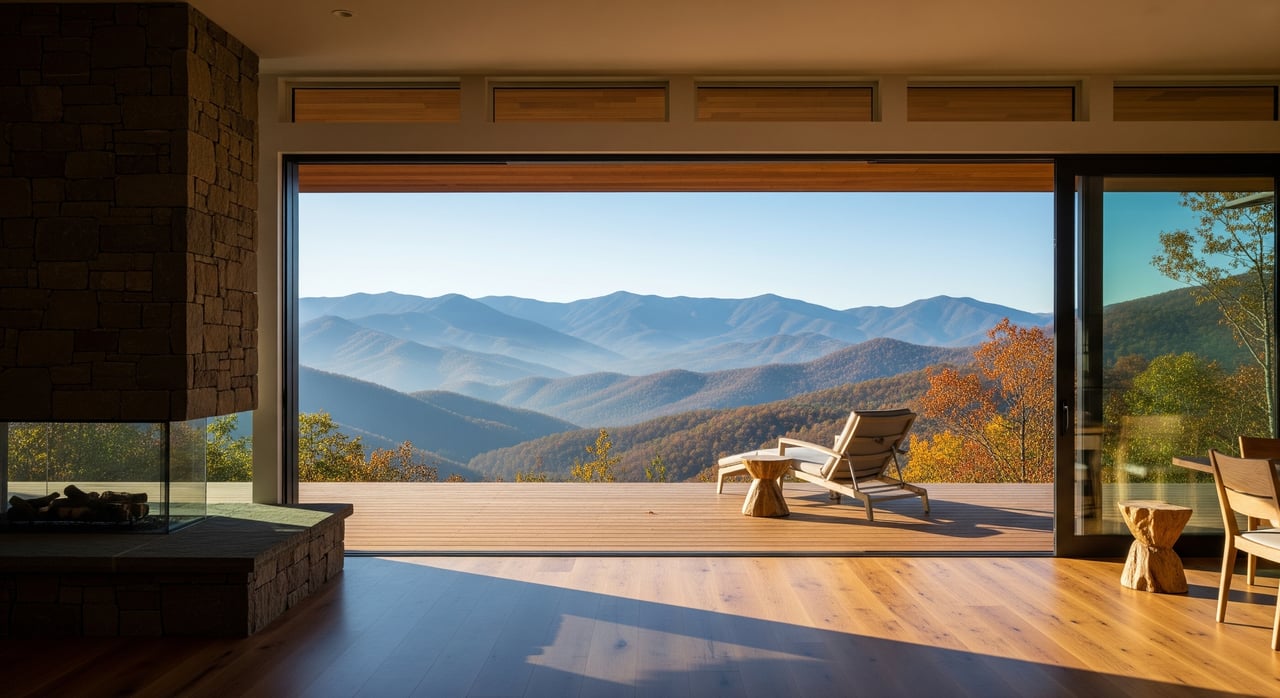
A long-range view means you can see distant ridgelines or peaks that extend for many miles, not just the next treeline. In Blue Ridge, that usually looks like multiple far ridges within the southern Appalachians. You will often notice a broader horizon line and a sense of scale that feels expansive and dramatic.
A layered view shows depth, with a clear foreground, middleground, and background. Around Blue Ridge, that can be a nearby valley or trees in front, mid-range ridges, and distant peaks behind. Leaf-off months often make layered views pop because outlines are sharper and more distinct.
A ridgeline view focuses on a prominent crest or continuous ridge, which can be especially striking at sunrise or sunset. A panoramic view spans a very wide horizontal angle, often requiring a homesite positioned on a bench or open shoulder. A valley view looks down to a river, town, or valley floor and can feel closer and more private than a distant ridge scene.
A year-round view holds steady in summer and winter, often due to elevation above the canopy or evergreen breaks. A seasonal view opens when hardwoods drop their leaves, then softens or disappears during spring and summer. Seasonal views are very common in Blue Ridge’s mixed hardwood forests, so confirm which type a listing offers.
A framed view is shaped by trees, rock, or architecture, which can add visual interest. Partial or screened views show parts of a vista rather than a full sweep, and may be seasonal or permanent. A corridor view is a narrow sightline through canopy or topography, common on lots near ridgelines or where a cut line exists.
Orientation influences sunrise and sunset potential and seasonal light. West-facing exposures catch sunsets, while east-facing brings morning light. South-facing slopes get more sun year-round, which can help winter warmth and visibility, while north slopes are cooler and shadier.
Absolute elevation helps, but what matters most is how your homesite sits above its surroundings. Properties perched over a valley or on a convex slope usually enjoy wider, more open views than sites on a saddle or lower bench. Nearby notches, hollows, or intervening ridges can still block or narrow a view even if you are high.
Blue Ridge forests mix hardwoods with pines and evergreen understory like laurel and rhododendron. Deciduous trees change views by season, while evergreens can screen consistently all year. Selective pruning or limbing can improve sightlines, but it carries costs and may require permits on steeper terrain.
Humidity and haze affect how far you can see, and clarity is usually best on crisp fall or winter days. Light and contrast also matter, with morning and late afternoon often delivering the richest depth and color. The same ridgeline can look bold one hour and muted the next.
Nearby homes, new sites, and future tree growth can alter a view. Unless protection exists, neighbors can add structures or plantings that affect your sightline. Recorded view easements are uncommon, so assume change is possible unless documents say otherwise.
Visit in different seasons if you can, especially during leaf-on and leaf-off. Check the view in morning, midday, and sunset to see how light transforms the scene. Stand where you will live most, like the great room, porch, deck, and potential primary suite, and take photos from eye height.
If you are serious, gather a parcel survey or topo, recent aerial imagery, and county GIS maps to understand boundaries, elevation, and vegetation. Basic line-of-sight checks can be done with consumer mapping tools, and a surveyor or planner can run a viewshed model for more accuracy. An arborist or forester can estimate which trees might require removal, the cost, and any ecological impacts.
Views add a recognized premium in mountain markets. In general, year-round panoramic or ridgeline vistas command more value than partial or seasonal glimpses. Appraisers typically compare to recent sales with similar view quality, so clear documentation and photos help your case.
Opening or preserving a view can involve tree work, erosion control, slope stabilization, and ongoing maintenance to prevent regrowth. On steep lots or near streams, clearing may require engineering solutions and permits, and costs rise with slope and access. Consider wildfire safety and drainage as part of the plan.
The only reliable protection is a recorded restriction, such as a view easement or conservation covenant on neighboring land. Without it, future construction or plantings may change what you see. Review zoning, likely build pads, and any HOA rules to understand what could be built and how tall.
A true mountain view in Blue Ridge is more than a pretty photo. It is a mix of elevation, orientation, tree canopy, and documents that confirm what can and cannot change. If you want confidence before you write an offer, combine on-the-ground visits with survey and GIS review, and ask direct questions about seasonality, permits, and neighbor plans.
When you are ready, work with a local expert who pairs deep market knowledge with white-glove service. From short-listing the right ridgelines and exposures to coordinating surveys, arborist opinions, and premium marketing for resale, you deserve a concierge approach. Start the conversation with Kim Knutzen to see the best Blue Ridge views and make a clear, confident decision.
Stay up to date on the latest real estate trends.
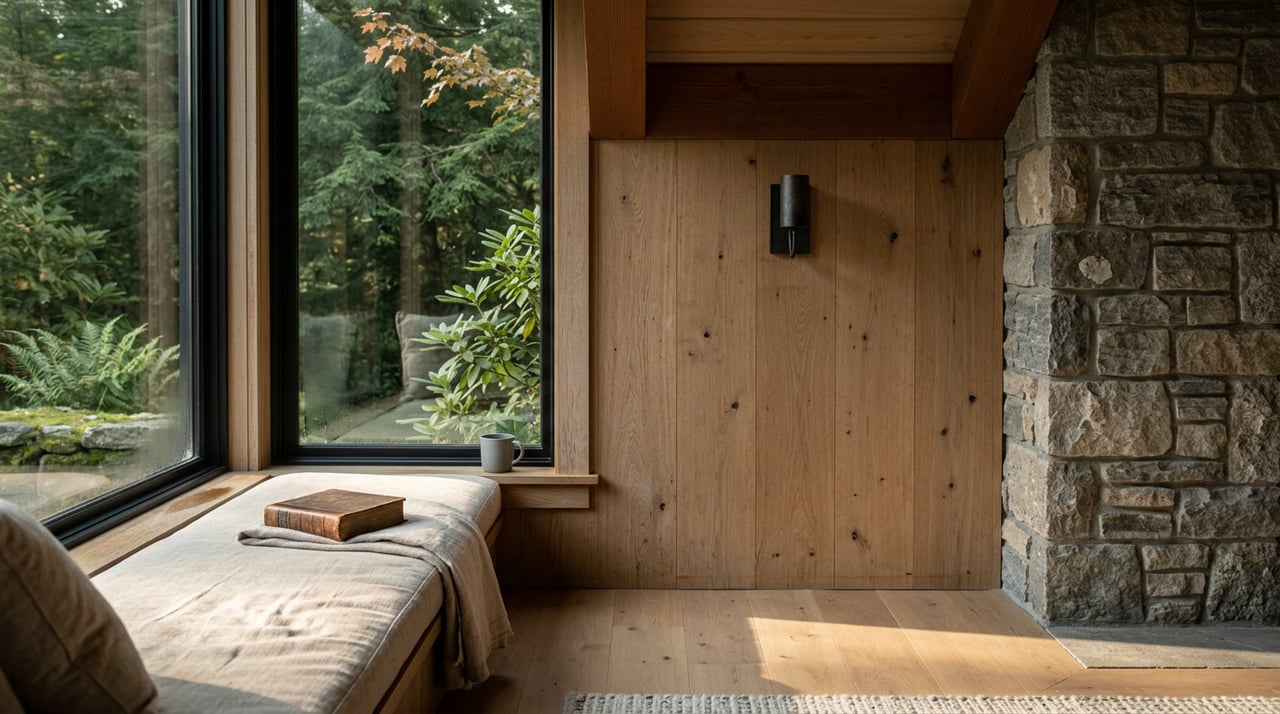
Knowing what buyers are looking for helps Kim with getting the seller's property ready for market. Whether you are looking to buy a second home or sell a rental investment property, Kim specializes in leveraging her local Blue Ridge expertise to get you top value.