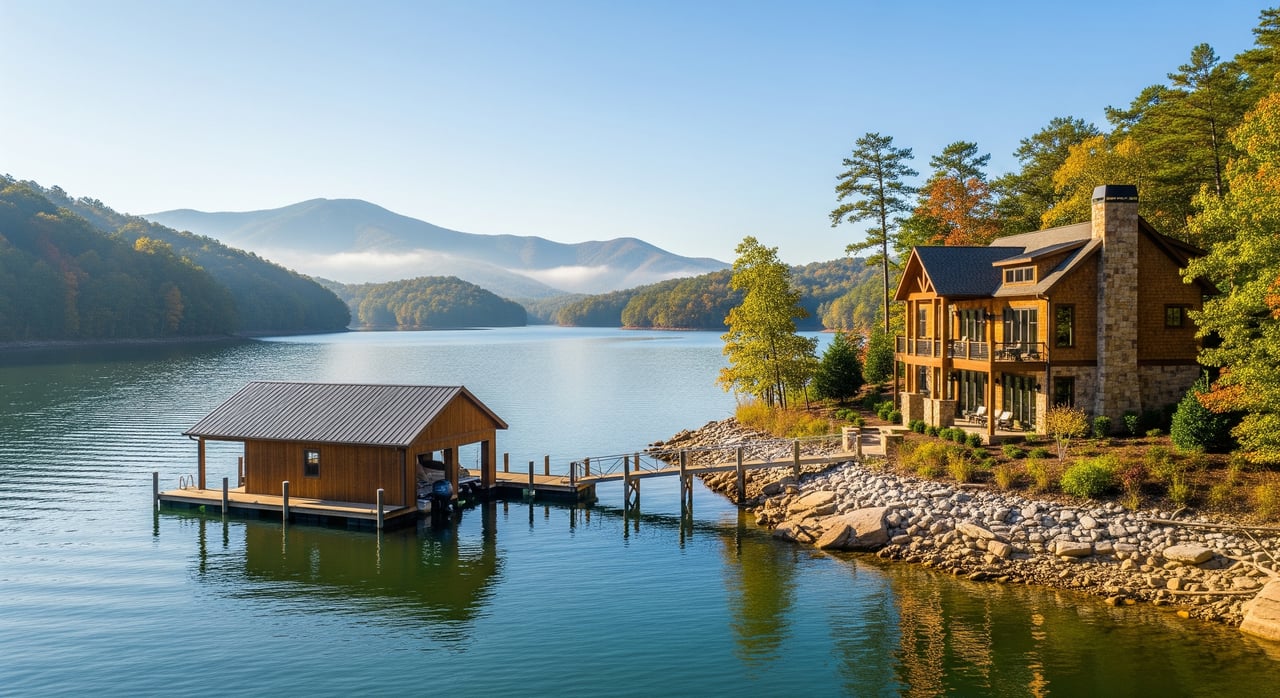
Understanding the Lake Blue Ridge Level Schedule for Buyers
November 21, 2025
November 21, 2025
Thinking about a lakefront home on Lake Blue Ridge? One of the smartest things you can learn early is how seasonal water levels work and what they mean for your dock, shoreline, and year-round enjoyment. Whether you plan to boat every weekend or simply want a peaceful water view, understanding lake levels helps you buy with confidence and sell with clarity. In this guide, you will learn how TVA-managed seasonal patterns typically unfold, how they affect daily life on the water, and how to plan showings and inspections the right way. Let’s dive in.
Lake Blue Ridge is managed as part of a federal hydroelectric reservoir system that balances several goals at once. Operators set levels to support flood control, power generation, downstream flow, water supply, and recreation. Those goals shift across the year based on rainfall and energy needs.
You will see two types of changes. Seasonal targets guide the larger rise into a recreation pool in late spring and the drawdown into a lower pool in late fall and winter. Short-term shifts can also occur if the dam generates power or needs to pass higher inflows after storms. For day-to-day decisions, rely on the operator’s official reservoir status pages, USGS stream gauges for the Toccoa River, and updates from local marinas and county offices.
Every year is a little different, so use current and historical charts from the operator and USGS for precise timing. Here is what you can typically expect.
Operators often begin lowering levels in September to create flood storage for winter storms. Docks remain usable in many areas, though gangways can angle more sharply and launches can take longer. If you sell in fall, photos may understate the full look and feel of peak summer.
From late fall into winter, the lake is often at or near its lowest seasonal elevations. This helps protect the region from heavy winter and early spring rain events. Some docks become partially or fully unusable depending on depth and design. Shoreline maintenance and inspections are easier to schedule during this period.
As spring rains arrive, operators move toward higher recreation levels. Refilling can be steady or quick depending on rainfall. Expect water to rise unevenly week to week as conditions change.
By late spring into summer, the lake is generally held near its highest seasonal levels for boating and swimming. Docks and ramps are most usable, and the shoreline looks its most complete. Short-term adjustments still happen for power generation or high inflow events.
Understanding how your dock and shoreline behave across these swings will save you time and stress.
Smart preparation helps everyone understand a property fairly in any season.
Every few years, you may see out-of-pattern conditions. Drought can delay spring refill or limit summer highs. Very wet periods can lead to controlled releases and short-term changes. These shifts are normal in a managed reservoir system. The key is to check real-time status when planning a showing, inspection, or boating weekend.
If you love the idea of a lake home, seasonal water levels should guide your due diligence, not discourage it. With the right dock design, clear permits, and seasonally aware showings, you can enjoy Lake Blue Ridge with confidence. For tailored advice, neighborhood context, and help coordinating marina contacts, inspections, and staging, reach out to Kim Knutzen. Let me be your guide and help you match your lifestyle to the right waterfront property.
Stay up to date on the latest real estate trends.


Knowing what buyers are looking for helps Kim with getting the seller's property ready for market. Whether you are looking to buy a second home or sell a rental investment property, Kim specializes in leveraging her local Blue Ridge expertise to get you top value.