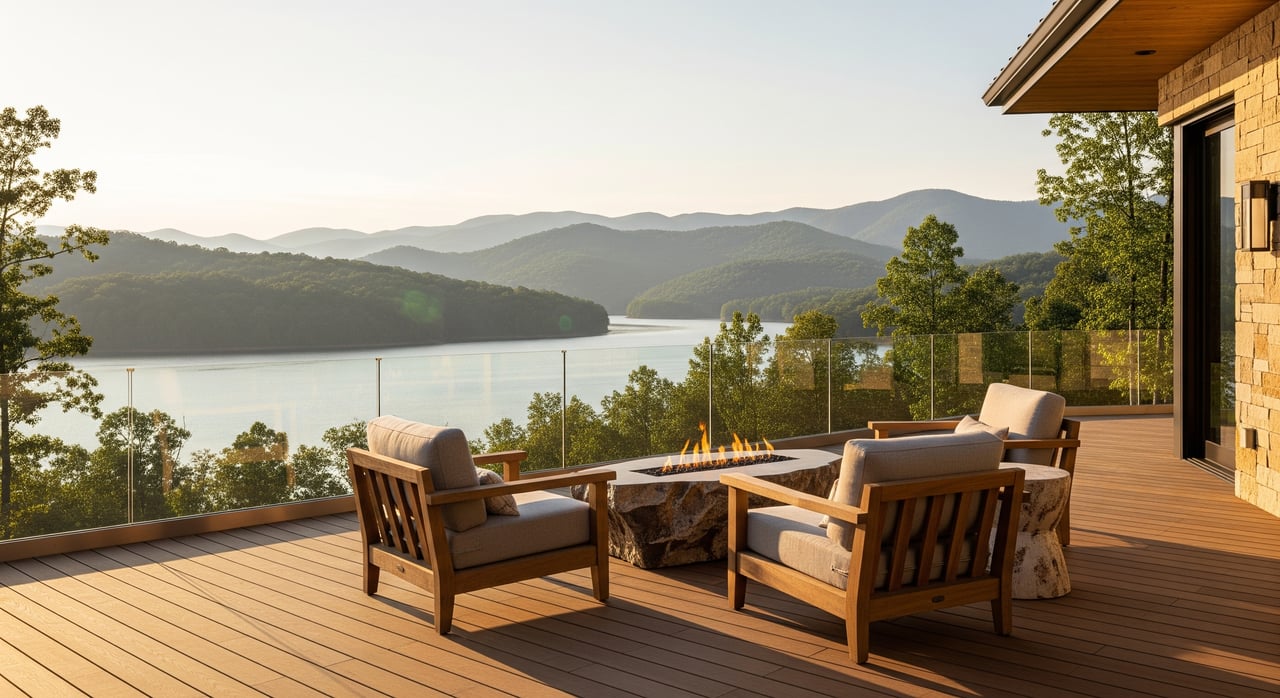
Lakefront vs. Mountain View: Which Fits Your Goals?
December 18, 2025
December 18, 2025
Do you picture quiet mornings on a dock or golden sunsets over rolling ridgelines? In Blue Ridge’s 30513 area, both lakefront and mountain‑view homes offer incredible settings, but they fit different goals. This guide gives you a clear, local look at price, upkeep, rental appeal, access, and lifestyle so you can choose with confidence. Let’s dive in.
Blue Ridge sits in the southern Appalachian foothills of Fannin County, with Lake Blue Ridge as the signature waterway on the Toccoa River. The area mixes deep forest, ridgelines, and valleys within easy reach of the Chattahoochee‑Oconee National Forest. Many buyers come from metro Atlanta, about 1.5 to 2.5 hours away, seeking weekend escapes, second homes, or vacation rentals.
Two scarce resources shape the market: true private lake frontage and ridge‑top lots with unobstructed views. Both are limited. Shoreline is finite, and long‑range views depend on elevation, clearing, and tree cover.
Lakefront properties with true dock potential typically carry a premium over non‑waterfront homes. What drives that premium? Direct water access, private docks, unobstructed shoreline, boating access, limited inventory, and water quality. For mountain‑view homes, value rises with long‑range vistas, privacy, elevation, and proximity to trails or town.
Resale and appreciation depend on access, the quality of the view or water access, condition, and broader market cycles. Lakefront value can be sensitive to shoreline condition, dock status, and water quality. Mountain values can shift with tree growth that narrows views and with the quality of road access. Local MLS comps are the best way to confirm price differences at the time you buy.
Both property types share routine home costs like septic and well service, HVAC, roof care, pest control, taxes, and insurance. Beyond that, their upkeep differs.
Short‑term rentals are a major driver in Blue Ridge. Both lakefront and mountain‑view homes can perform well when properly located, outfitted, and managed.
Before you buy with rental goals, confirm local rules. Check Fannin County and the City of Blue Ridge for business licensing, occupancy limits, taxes, and any HOA rules that restrict rentals or require registration. Profitability depends on nightly rate and occupancy minus management, utilities, cleaning, platform fees, and compliance costs. Local managers and analytics can help benchmark comparable performance.
Road quality matters in the mountains. Many ridge homes sit on winding or steep roads, which can affect delivery trucks, emergency response, and winter driving. Some lakefront pockets also use narrow private roads. Confirm who maintains the road and whether there are shared repair obligations.
Map drive time to downtown Blue Ridge for groceries and restaurants, plus the nearest pharmacy and hospital or urgent care. In remote areas, EMS and fire response can take longer. For utilities, expect private well and septic on many parcels. Broadband and cell coverage vary by location and provider, so test service on site. Homes at higher elevations or deeper in the forest can see more frequent or longer storm‑related outages, making backup power a practical add.
Lake Blue Ridge is managed by the US Army Corps of Engineers. Shoreline easements, permitted dock types, and rules for vegetation or shoreline work can shape what you can build or modify. Reservoir water levels can fluctuate, and periodic drawdowns are possible. Always verify a property’s exact dock status and shoreline permissions.
Parcel‑level flood risk is important near the lake. Many shoreline lots are in or near mapped flood zones, which can affect lending and insurance. Mountain parcels have different exposures, including wind, wildfire potential, and trees near structures. Insurance companies may also rate by distance to the nearest fire station and available water supply.
Wildlife is part of daily life in North Georgia. Expect black bears and deer. Secure trash, manage outdoor cooking, and choose landscaping with local conditions in mind.
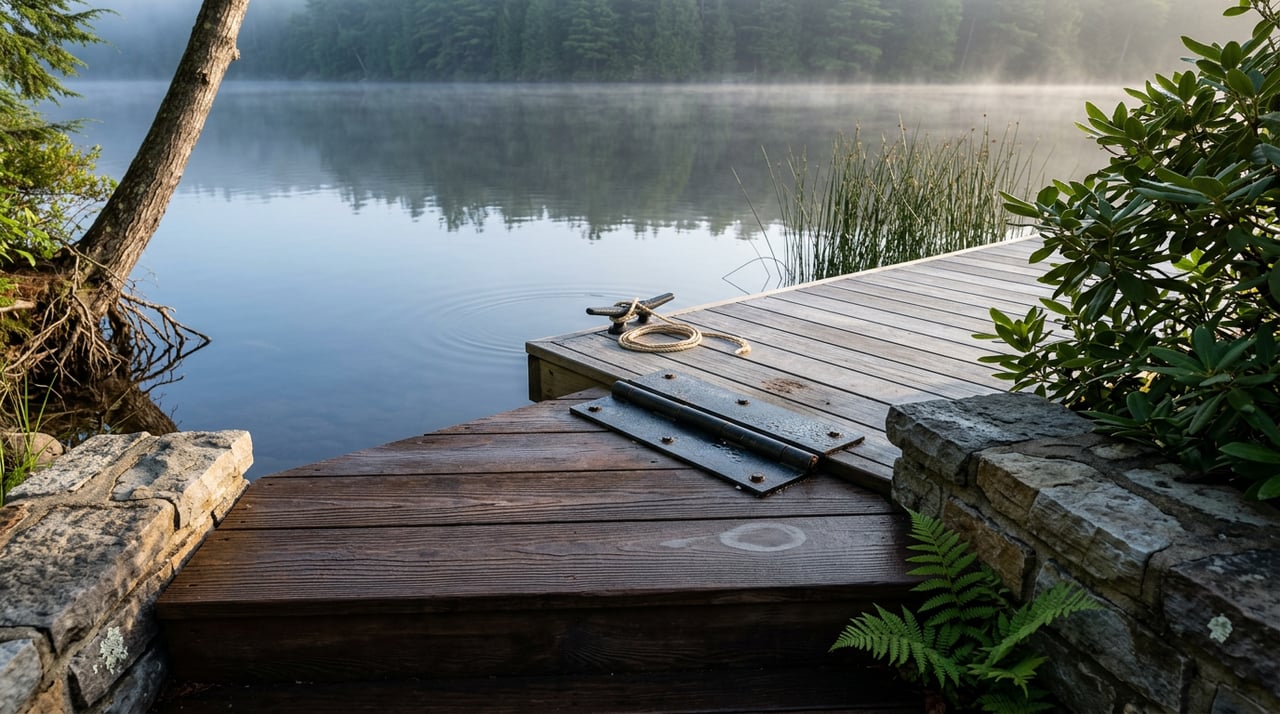
If you want to swim, boat, fish, and gather around the water, lakefront is hard to beat. The setting feels social in summer, with sun, water toys, and neighbors often within view along the shoreline. Your to‑do list includes dock care and shoreline stewardship. Many owners use lake homes most intensely in warm months, then enjoy crisp, quiet winter views from inside.
If you want big‑sky views, quiet mornings, stargazing, and trail access, mountain‑view homes deliver. You will likely enjoy more privacy and a calmer soundscape, with fewer boats and more birds. Your to‑do list centers on access, drainage, and tree management. With the right systems and road plan, mountain properties can live well year‑round.
Choose lakefront if you want:
Choose mountain view if you want:
Before you write an offer, confirm:
Consider specialists when needed:
The right choice is the one that fits your lifestyle, budget, and long‑term plans. With decades of local expertise across lake and ridge properties, premium marketing reach, and a concierge approach, you get clear advice from search through closing and beyond. If you want nuanced guidance on dock status, flood and insurance considerations, road access, and rental performance, you will benefit from a trusted local partner.
Ready to compare specific lakefront and mountain‑view homes in 30513? Start the conversation with Kim Knutzen and explore the options that match your goals.
Stay up to date on the latest real estate trends.
Knowing what buyers are looking for helps Kim with getting the seller's property ready for market. Whether you are looking to buy a second home or sell a rental investment property, Kim specializes in leveraging her local Blue Ridge expertise to get you top value.